Product note: clearer recipe pages for faster cooking
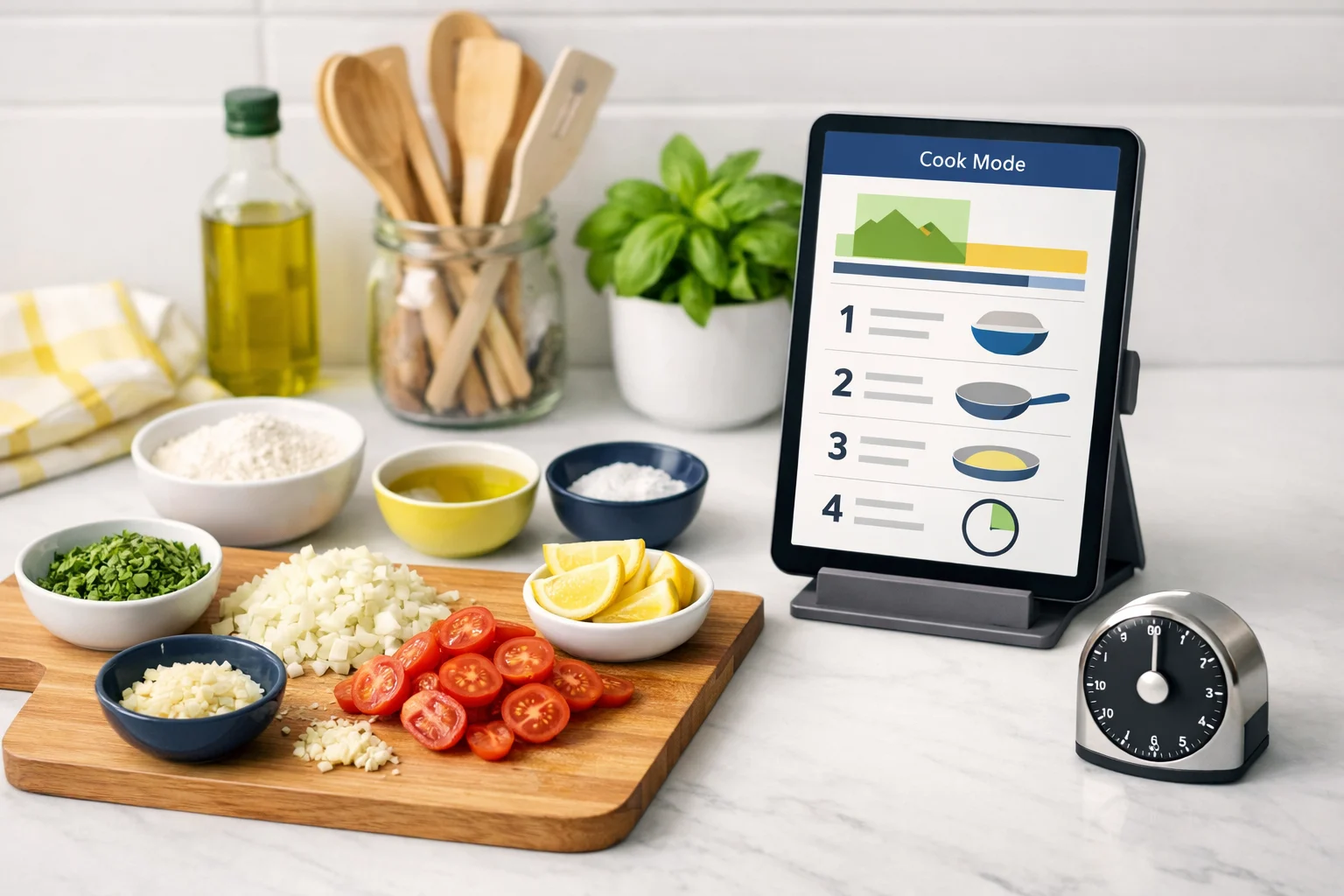
Recipe pages were tuned around the moment you are ready to cook: stronger hero sections, cleaner timing details, and faster access to planning actions.
By ByteRecipes Team
Key takeaways
- Recipe pages should help people decide and cook quickly.
- Hero imagery should clarify the dish, not decorate the page.
- Save and plan actions belong near the decision point.
A recipe page has two jobs
First, it helps someone decide whether the recipe fits. Second, it helps them cook without hunting for information. Those jobs are connected, but they happen at different speeds.
The recent recipe page work focused on putting decision details near the top: image, title, time, servings, difficulty, and planning actions. Once someone commits, the ingredients and steps should be easy to follow.
Images need to carry context
A finished-dish image should answer a basic question: what am I making? If the image is too small, too cropped, or visually unrelated, the page loses trust. Better image treatment gives users a faster read on the recipe before they open the details.
This is especially important for browsing and planning. A clear image can help someone choose between two similar titles without reading both recipes line by line.
Actions should be close to intent
When someone decides a recipe fits, the next actions are predictable: save it, plan it, or adapt it privately. Keeping those actions near the top reduces the gap between discovery and use.
That is the larger product direction: recipes are not static pages. They are inputs into planning, shopping, and cooking.
- Place key timing and serving details before the long recipe body.
- Keep save and plan actions close to the title area.
- Use image space to explain the dish, not to fill layout.
How to scan a recipe page
- 1Check the image and title for the dish you expect.
- 2Review total time and effort against the day you plan to cook.
- 3Scan ingredients for dealbreakers or missing staples.
- 4Save, plan, or make a private copy before leaving the page.
Helpful reminder
ByteRecipes articles are written for product education and everyday cooking workflows. They are not medical, nutrition, allergy, or food-safety advice.
Keep reading
Related articles
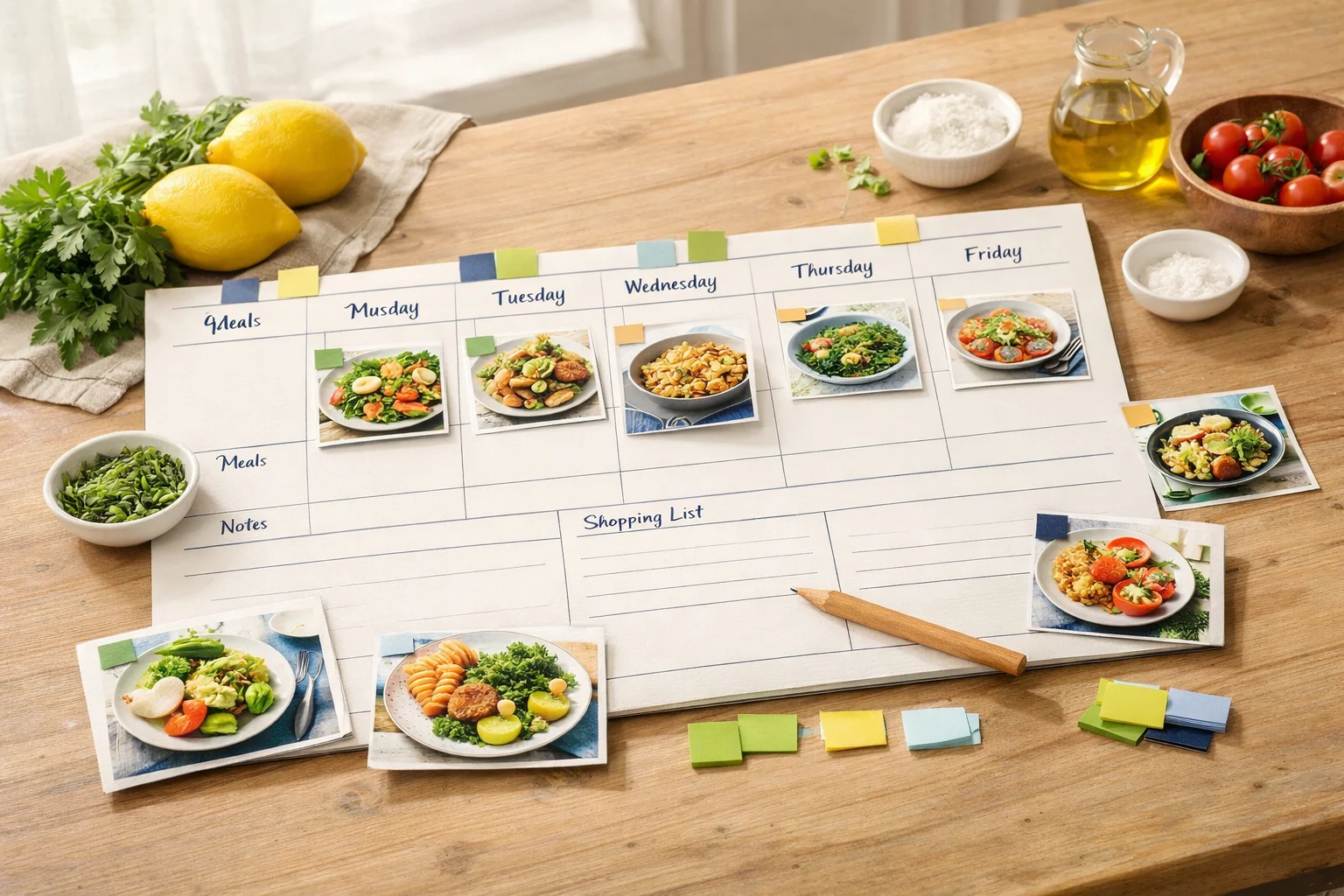
Spring planning updates: staged picks, cleaner moves, and calmer weeks
A closer look at the planner changes that make it easier to keep recipe ideas nearby, move meals between days, and recover gracefully when plans change.
Read next
What Miso should help with before dinner starts
Miso works best when it helps with the decisions around cooking: narrowing choices, adapting plans, and translating preferences into usable next steps.
Read next
Designing for recipe quality, not recipe volume
More recipes are only useful when they are reliable. This note explains why ByteRecipes emphasizes clearer images, timing sanity, and moderation tools.
Read next