Designing for recipe quality, not recipe volume
More recipes are only useful when they are reliable. This note explains why ByteRecipes emphasizes clearer images, timing sanity, and moderation tools.
By ByteRecipes Team
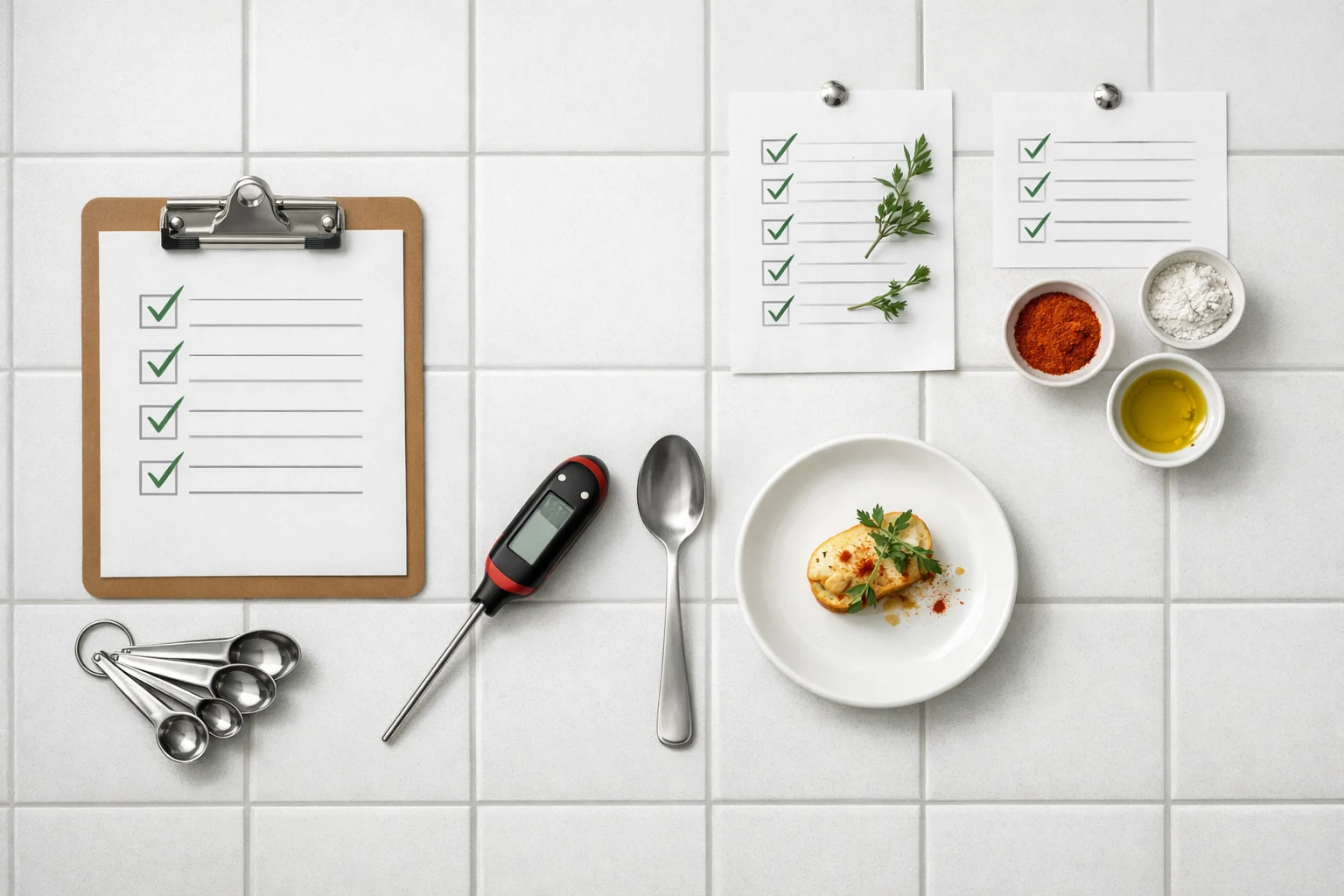
Key takeaways
- A larger catalog is not automatically a better catalog.
- Images, steps, ingredients, and timing all need to agree.
- Admin review tools protect the public recipe experience over time.
Volume creates new problems
A recipe product can add content quickly, but a catalog only earns trust when the recipes are usable. Duplicate ideas, vague steps, unrealistic times, and mismatched images all make the experience feel noisy.
That is why ByteRecipes treats quality as product infrastructure. The public catalog should grow, but it should grow with checks that help users trust what they open.
The details have to agree
A recipe title, ingredient list, method, image, time estimate, and nutrition panel are all part of the same promise. If the title says salmon but the image looks like chicken, or the steps use ingredients that never appear in the list, the recipe fails before anyone cooks it.
Quality work is not only proofreading. It is consistency across the whole recipe object.
- Image and title should describe the same finished dish.
- Steps should use the listed ingredients in a sensible order.
- Timing should match the process, not an optimistic guess.
- Duplicate checks should catch near-identical recipes before they clutter browse.
Review tools are part of the user experience
Most users never see admin tools, but they feel the result. Better review flows, verification queues, issue flags, and publishing states make the public catalog more stable.
The lesson is straightforward: quality systems are user-facing even when the interface is not.
What quality means for a recipe
- 1The dish is identifiable from the title and image.
- 2Ingredients are complete and practical.
- 3Steps are ordered, specific, and cookable.
- 4Timing and serving details are plausible.
- 5The recipe can be planned, shopped, and cooked without extra detective work.
Helpful reminder
ByteRecipes articles are written for product education and everyday cooking workflows. They are not medical, nutrition, allergy, or food-safety advice.
Keep reading
Related articles
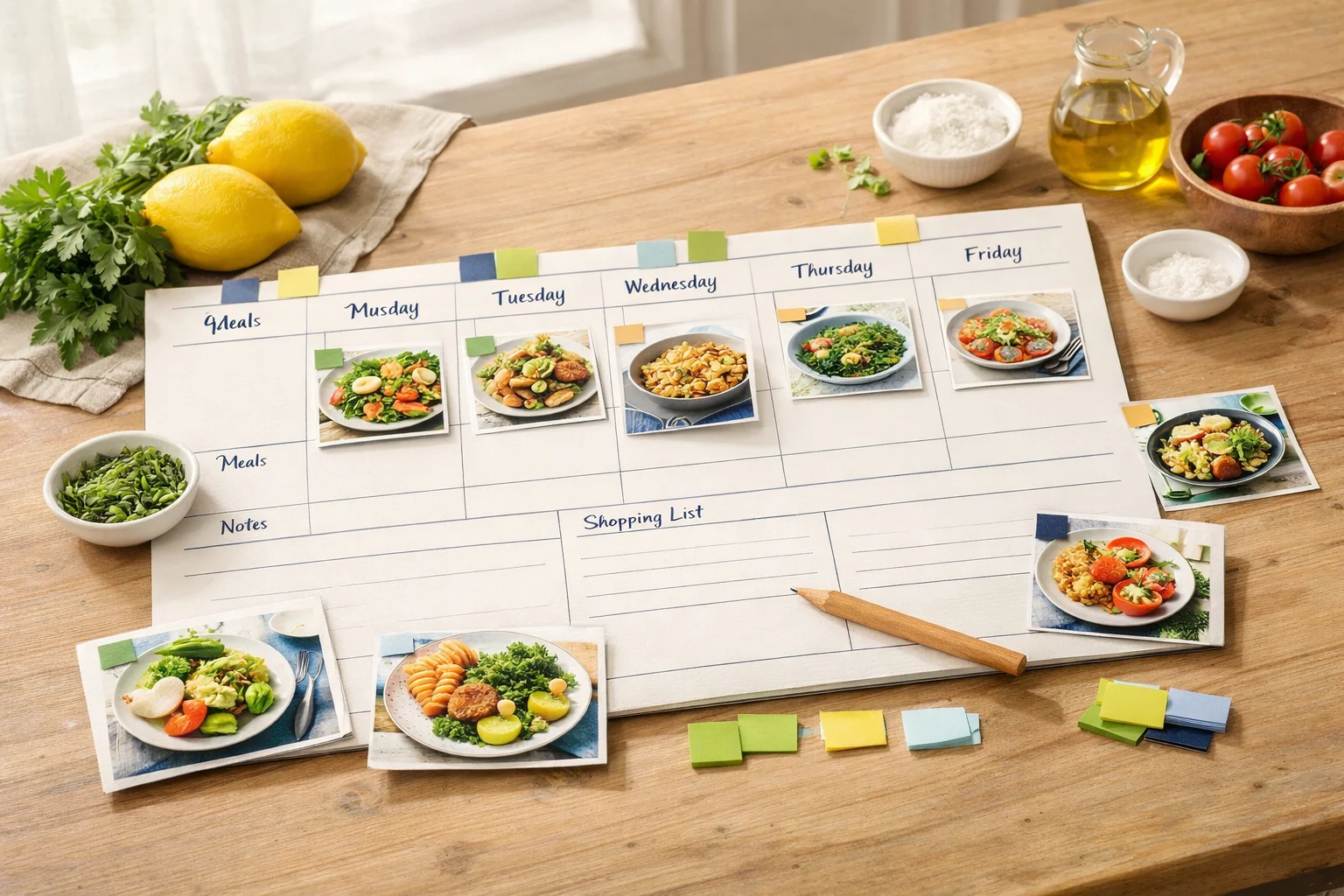
Spring planning updates: staged picks, cleaner moves, and calmer weeks
A closer look at the planner changes that make it easier to keep recipe ideas nearby, move meals between days, and recover gracefully when plans change.
Read next
What Miso should help with before dinner starts
Miso works best when it helps with the decisions around cooking: narrowing choices, adapting plans, and translating preferences into usable next steps.
Read next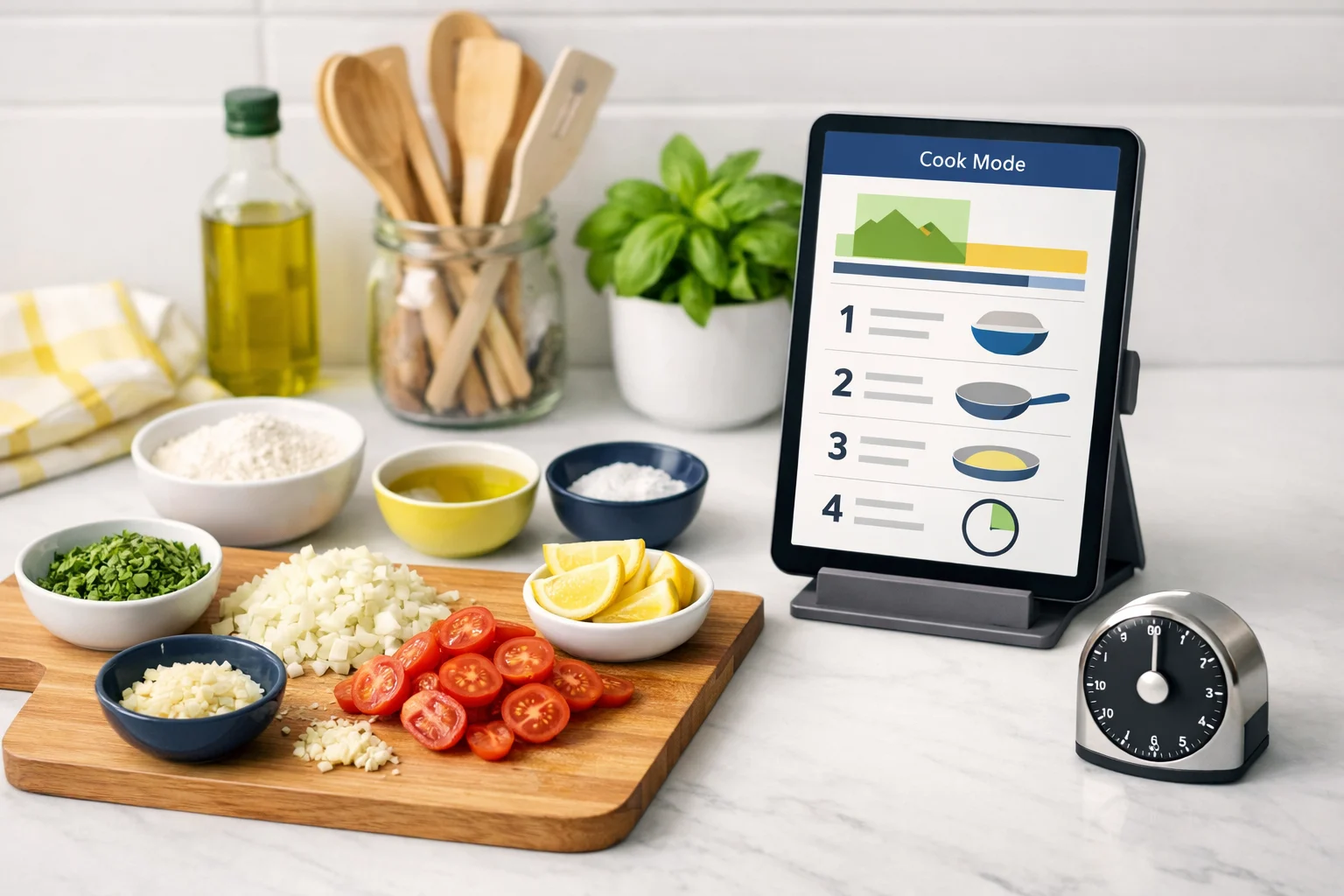
Product note: clearer recipe pages for faster cooking
Recipe pages were tuned around the moment you are ready to cook: stronger hero sections, cleaner timing details, and faster access to planning actions.
Read next