Miso planning notes: suggestions should stay explainable
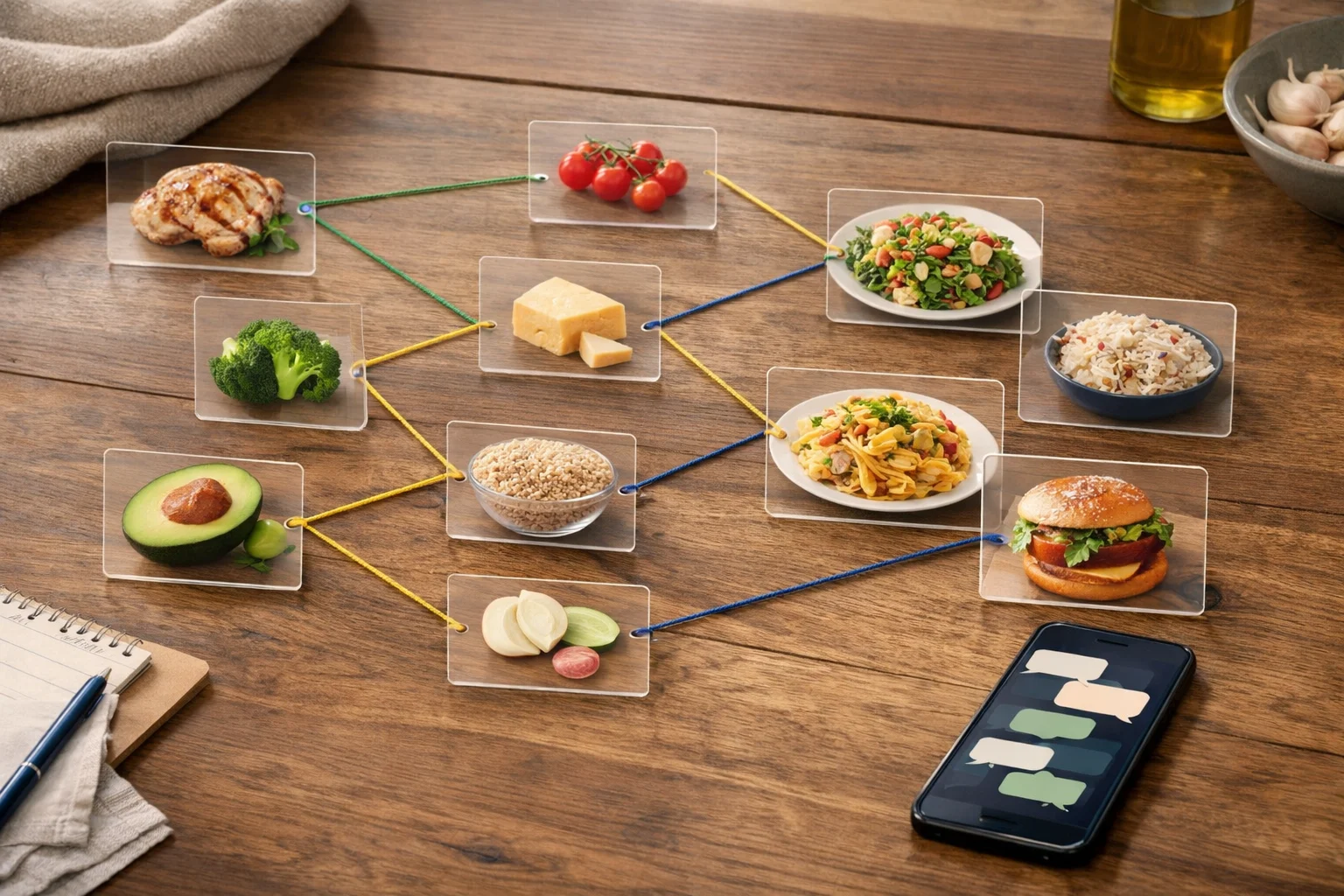
AI meal planning is more useful when it explains why a meal fits the week, which constraints it noticed, and what tradeoffs it made.
By ByteRecipes Team
Key takeaways
- Recommendations should come with reasons.
- Constraints should be visible enough for users to correct them.
- The user should remain the editor of the plan.
A suggestion without a reason is hard to trust
Meal planning is personal. A recipe can be objectively good and still wrong for the week. It may take too long, use an ingredient someone dislikes, create too many leftovers, or repeat a cuisine style from yesterday.
That is why Miso planning suggestions need reasons. The explanation does not have to be long. It just needs to show what constraint the assistant noticed and what tradeoff it made.
Explain the fit, not the algorithm
Users do not need a technical explanation. They need practical context: this recipe is fast, this one uses your saved salmon, this one avoids the allergy profile, this one creates lunch leftovers, or this swap lowers the effort on a busy night.
Those reasons help people accept, reject, or adjust the suggestion quickly.
- Name the constraint that mattered most.
- Show the tradeoff if there is one.
- Offer an alternate path when confidence is low.
Explainability supports control
When a suggestion is explainable, the user can correct it. If the assistant thinks Wednesday is flexible but it is not, the user can say so. If a preference is outdated, the user can adjust it.
That is the standard we want: assistance that becomes more useful because the user can understand and steer it.
Good assistant responses include
- 1A short recommendation.
- 2The reason it fits.
- 3Any assumption that might be wrong.
- 4A clear confirmation step before changing the planner.
Helpful reminder
ByteRecipes articles are written for product education and everyday cooking workflows. They are not medical, nutrition, allergy, or food-safety advice.
Keep reading
Related articles
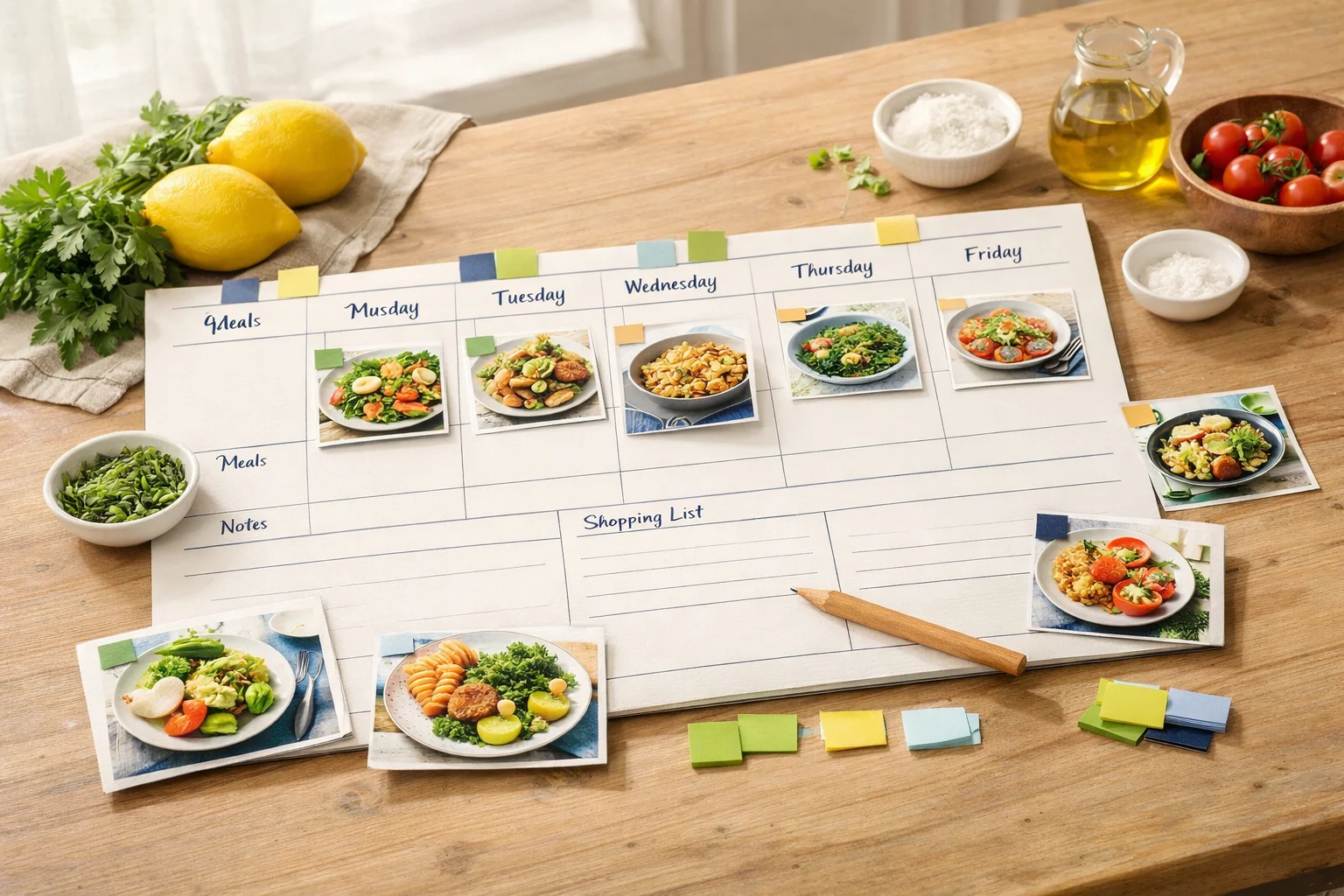
Spring planning updates: staged picks, cleaner moves, and calmer weeks
A closer look at the planner changes that make it easier to keep recipe ideas nearby, move meals between days, and recover gracefully when plans change.
Read next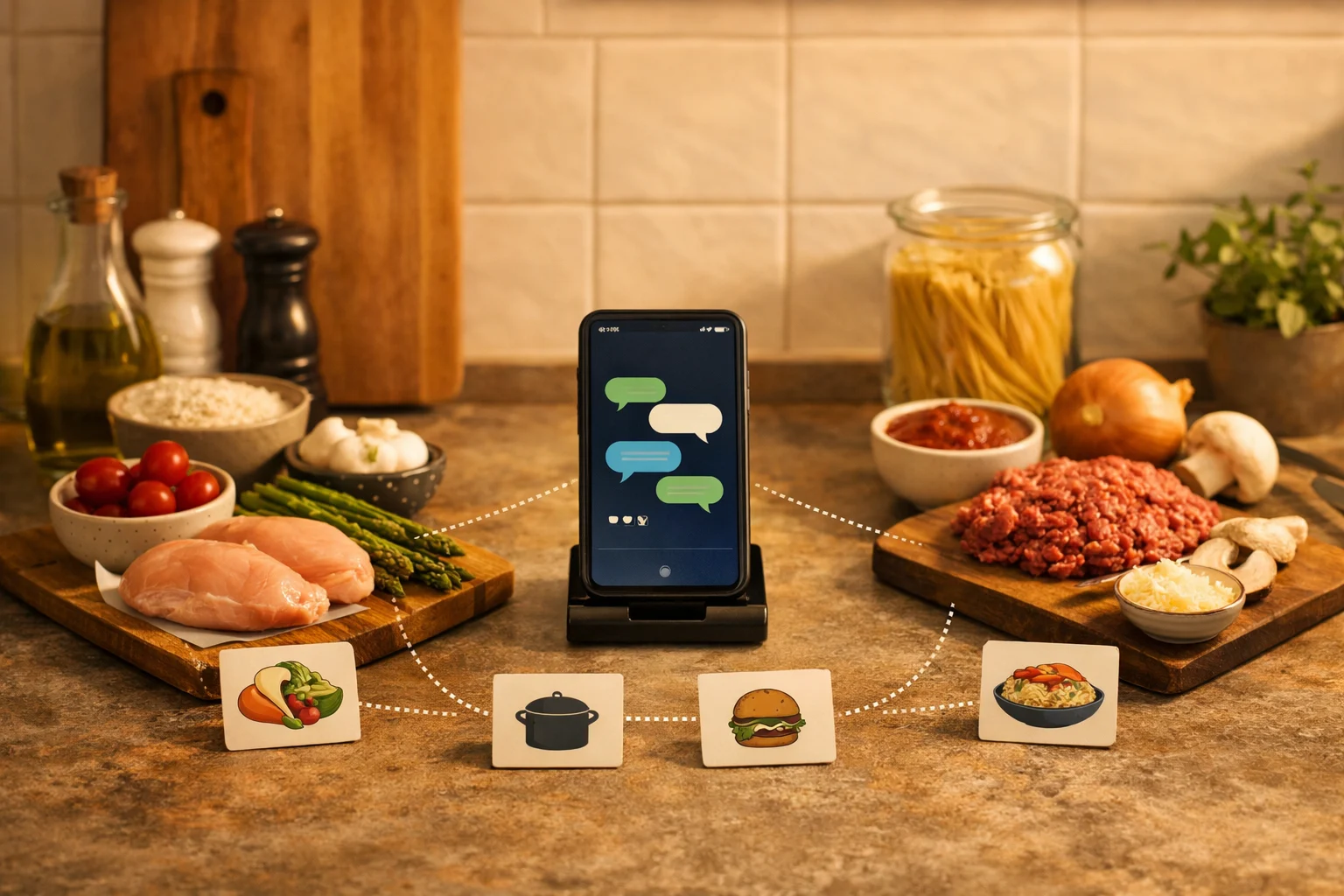
What Miso should help with before dinner starts
Miso works best when it helps with the decisions around cooking: narrowing choices, adapting plans, and translating preferences into usable next steps.
Read next
Designing for recipe quality, not recipe volume
More recipes are only useful when they are reliable. This note explains why ByteRecipes emphasizes clearer images, timing sanity, and moderation tools.
Read next