How to plan for leftovers without eating the same dinner twice
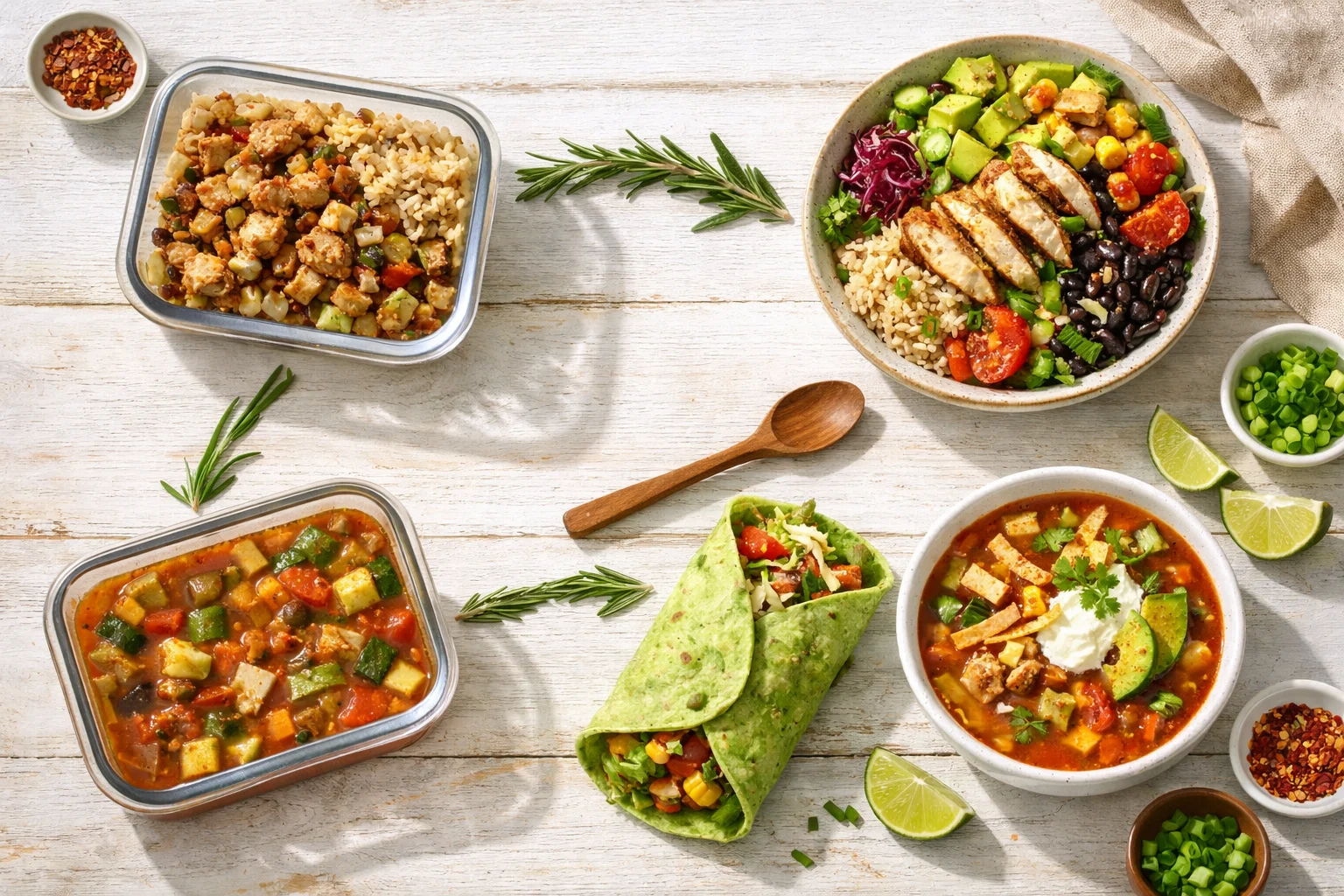
Leftovers work better when they are planned as ingredients, not repeats. Use cooked grains, roasted vegetables, and proteins as building blocks.
By ByteRecipes Team
Key takeaways
- Plan leftovers as components, not duplicate dinners.
- Cook one extra base that can change direction later.
- Sauces, herbs, and sides make repeats feel new.
The problem with leftover night
Leftovers can save a week, but they can also feel like surrender. The difference is whether they were planned as a repeat meal or as ingredients for the next meal.
A tray of roasted vegetables, cooked grains, shredded chicken, lentils, or a sauce can become bowls, wraps, salads, soups, or quick skillet meals. The component is the leftover, not the finished dinner.
Cook once, assemble differently
The easiest approach is to choose one recipe that creates an intentional extra component. Roast more vegetables than you need, cook extra rice, or make enough beans for a second use. Then pair that component with a different format later in the week.
This keeps the grocery list efficient while changing the eating experience.
- Roasted vegetables become bowls, tacos, omelets, or pasta.
- Cooked grains become fried rice, salads, or soup additions.
- Extra protein becomes wraps, sandwiches, or quick skillet meals.
Leave one open night
A plan with no open space leaves leftovers with nowhere to go. One flexible night gives you permission to use what already exists before cooking something new.
That single open slot can reduce waste and make the rest of the week feel less overplanned.
Leftover planning formula
- 1Pick one recipe that can produce an extra component.
- 2Choose a second meal format before shopping.
- 3Buy one fresh element that changes the direction, like herbs, greens, tortillas, or sauce.
- 4Schedule one flexible night before the end of the week.
Helpful reminder
ByteRecipes articles are written for product education and everyday cooking workflows. They are not medical, nutrition, allergy, or food-safety advice.
Keep reading
Related articles
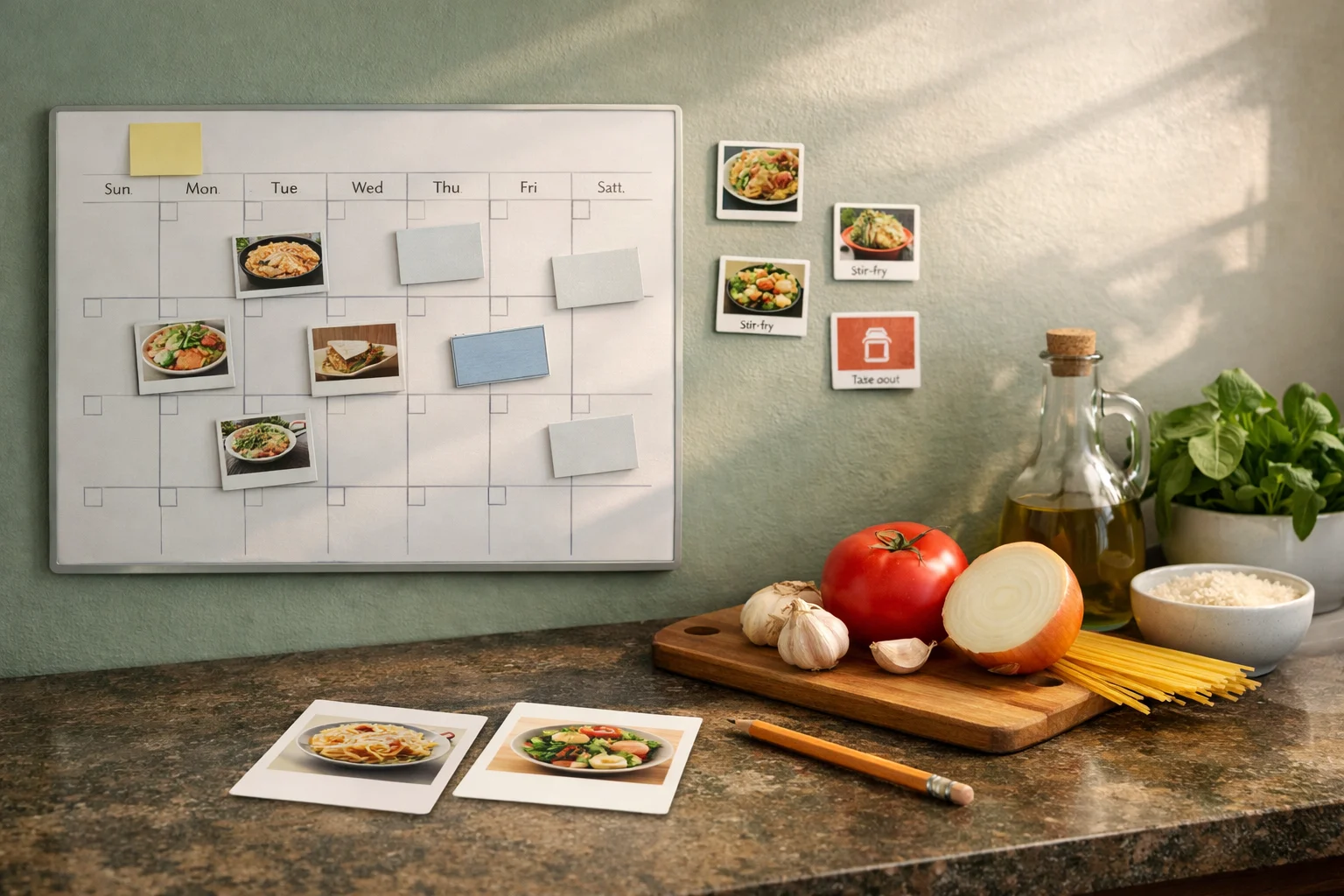
How to build a flexible dinner plan without locking every meal
A practical workflow for planning just enough: choose anchors, leave room for leftovers, and keep a short list of recipes ready for the days that shift.
Read next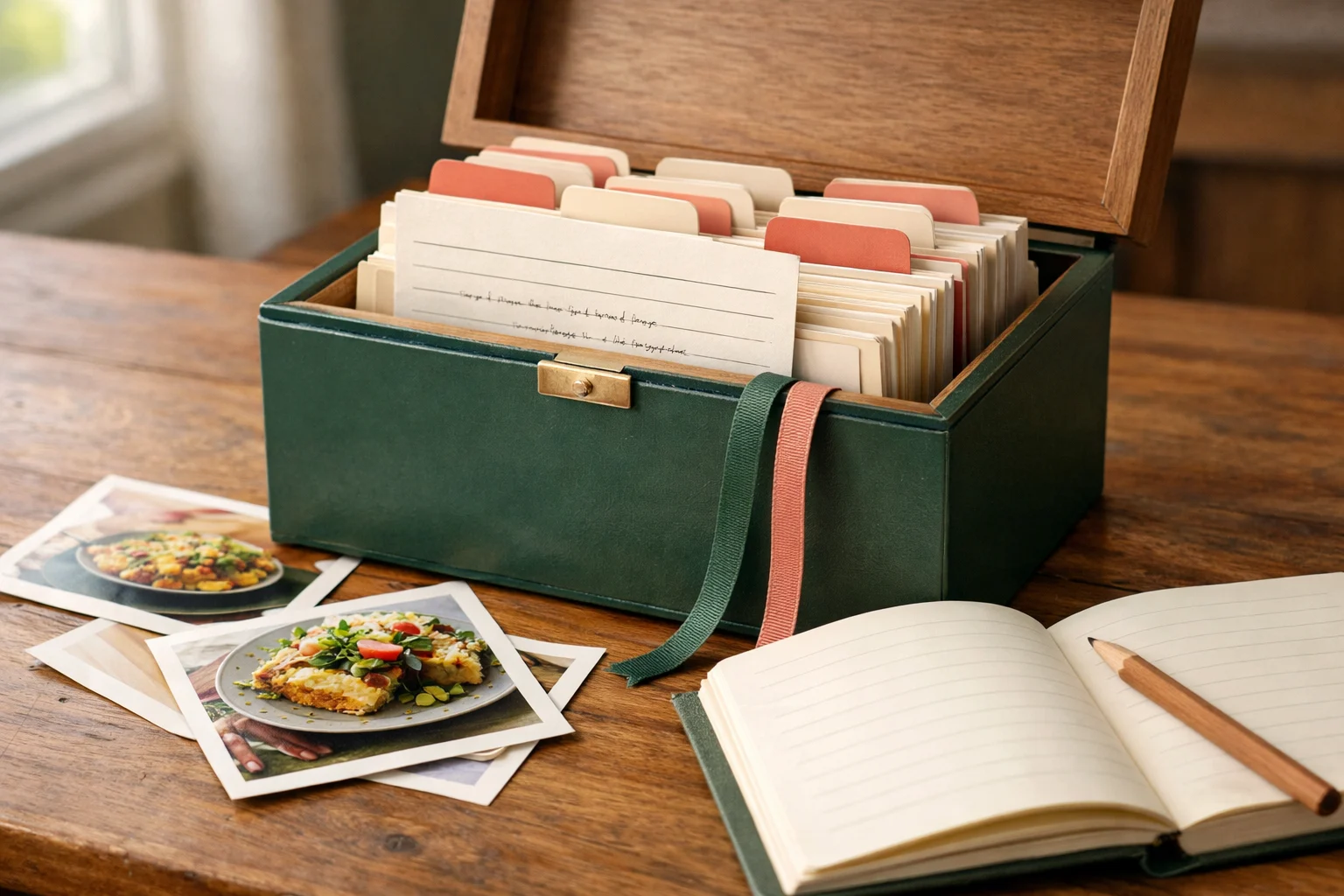
A better way to use saved recipes
Saved recipes should be more than a pile of bookmarks. Here is a simple pattern for turning saved recipes into a weekly shortlist you actually cook.
Read next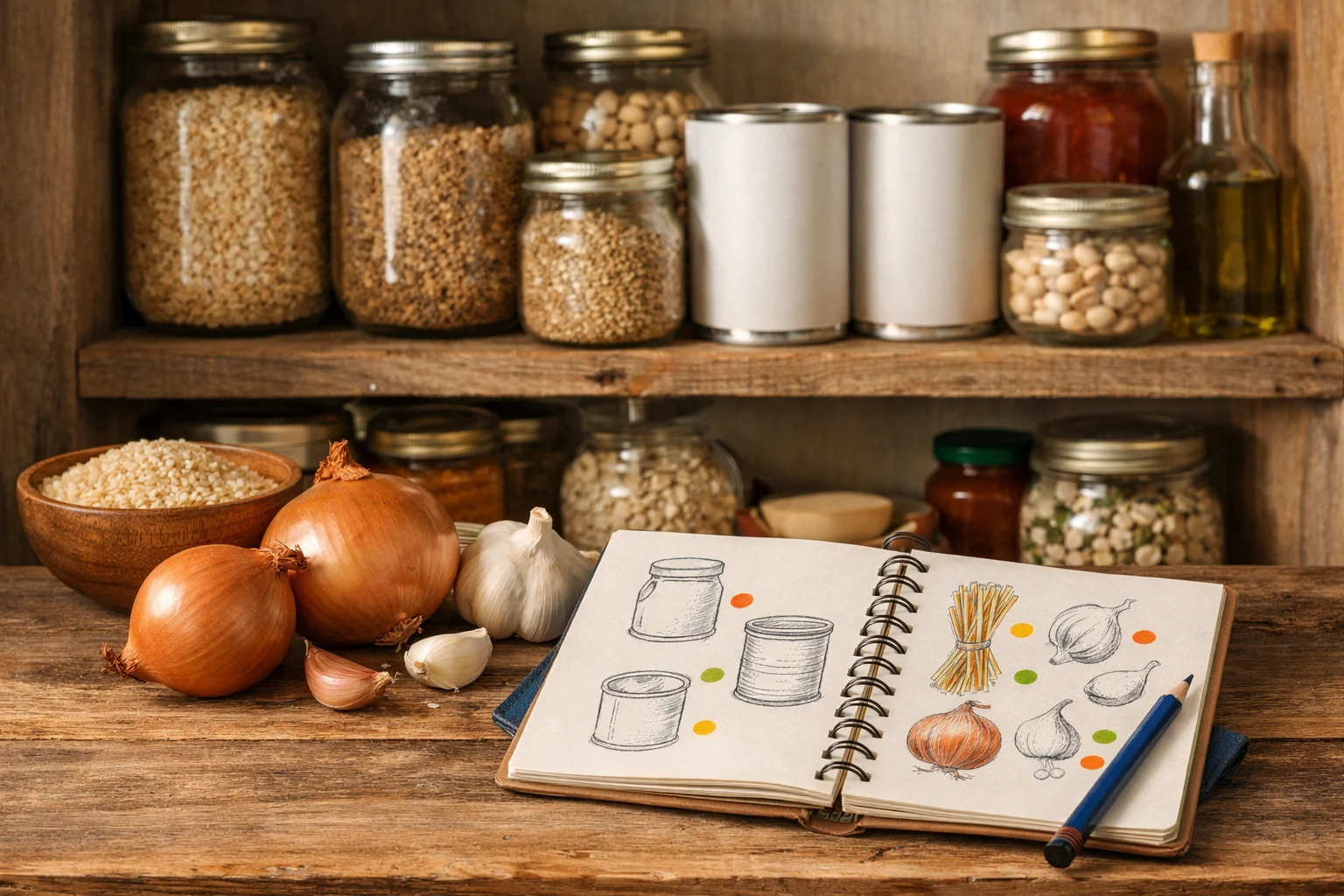
A pantry-first way to choose what to cook
Start from what is already in the kitchen, then choose recipes that use those ingredients before buying a completely new set of groceries.
Read next