A pantry-first way to choose what to cook
Start from what is already in the kitchen, then choose recipes that use those ingredients before buying a completely new set of groceries.
By ByteRecipes Team
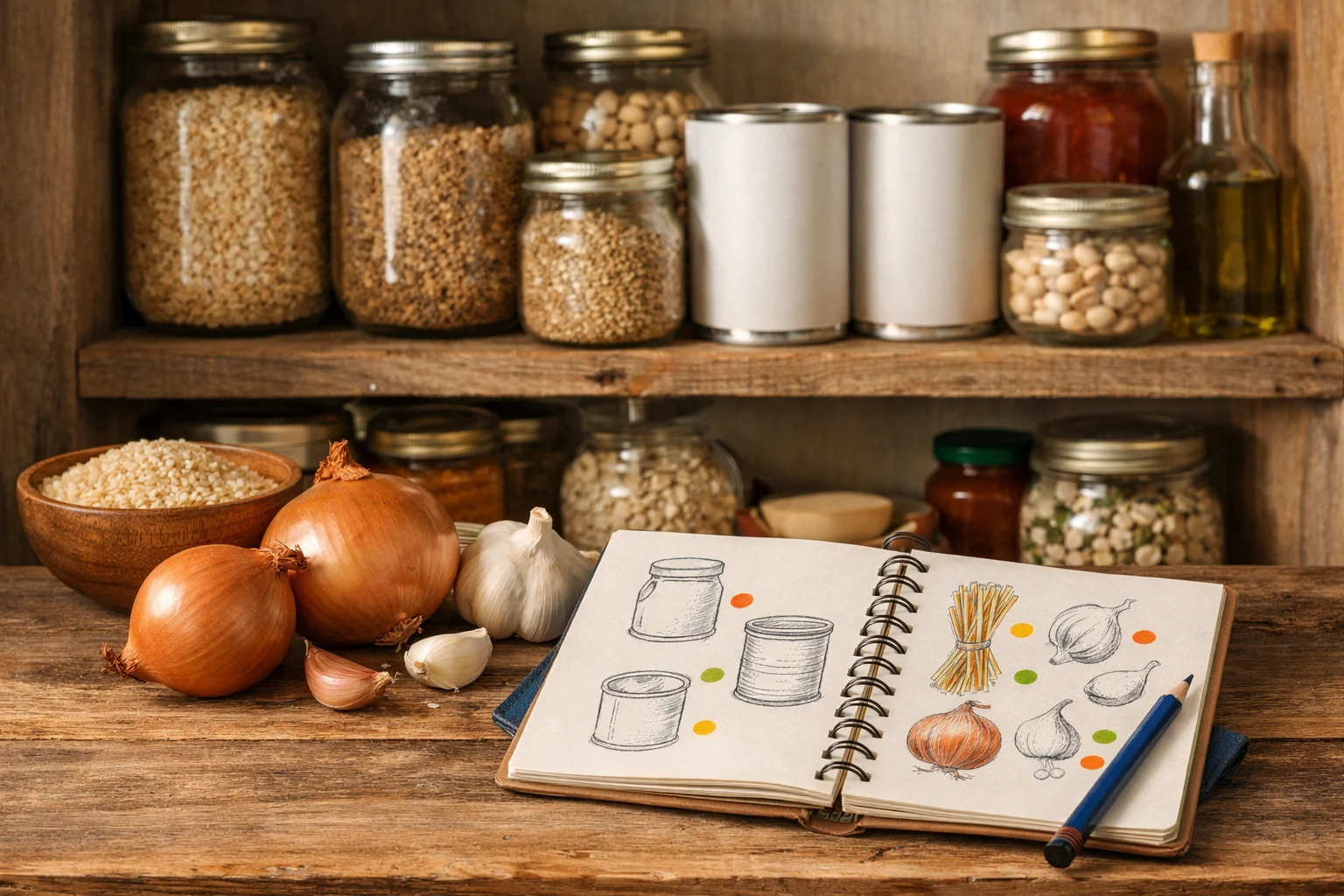
Key takeaways
- List ingredients that need to be used before searching.
- Choose recipes that share one or two pantry anchors.
- Let the grocery list fill gaps, not rebuild the kitchen.
Start with inventory, not inspiration
Recipe inspiration is useful, but it can create expensive grocery lists if it ignores what is already in the kitchen. A pantry-first workflow starts with the ingredients that need a job: produce near the end of its life, proteins in the freezer, grains, beans, sauces, or herbs.
That list gives search a purpose. Instead of asking what sounds good in the abstract, you are asking what uses what you already have.
Choose anchors
An anchor ingredient is something that can carry more than one meal. Rice, tortillas, greens, beans, roasted vegetables, chicken thighs, tofu, or a sauce can connect two dinners without making them feel identical.
When recipes share an anchor, shopping gets lighter and leftovers become more useful.
- Pick one fresh ingredient to use early.
- Pick one pantry ingredient that can stretch across meals.
- Pick one flexible protein or legume.
Avoid the completely new list
A recipe that requires ten new ingredients may still be worth it for a weekend project. For a normal week, it is often better to choose the recipe that needs three missing items and uses five things you already own.
That is the pantry-first tradeoff: slightly less novelty, much less waste, and a smoother path from plan to plate.
Pantry-first planning pass
- 1Write down five ingredients that should be used soon.
- 2Search or browse with one anchor ingredient in mind.
- 3Save recipes that use at least two items you already have.
- 4Build the shopping list around missing connectors: herbs, sauce, produce, or a protein.
Helpful reminder
ByteRecipes articles are written for product education and everyday cooking workflows. They are not medical, nutrition, allergy, or food-safety advice.
Keep reading
Related articles
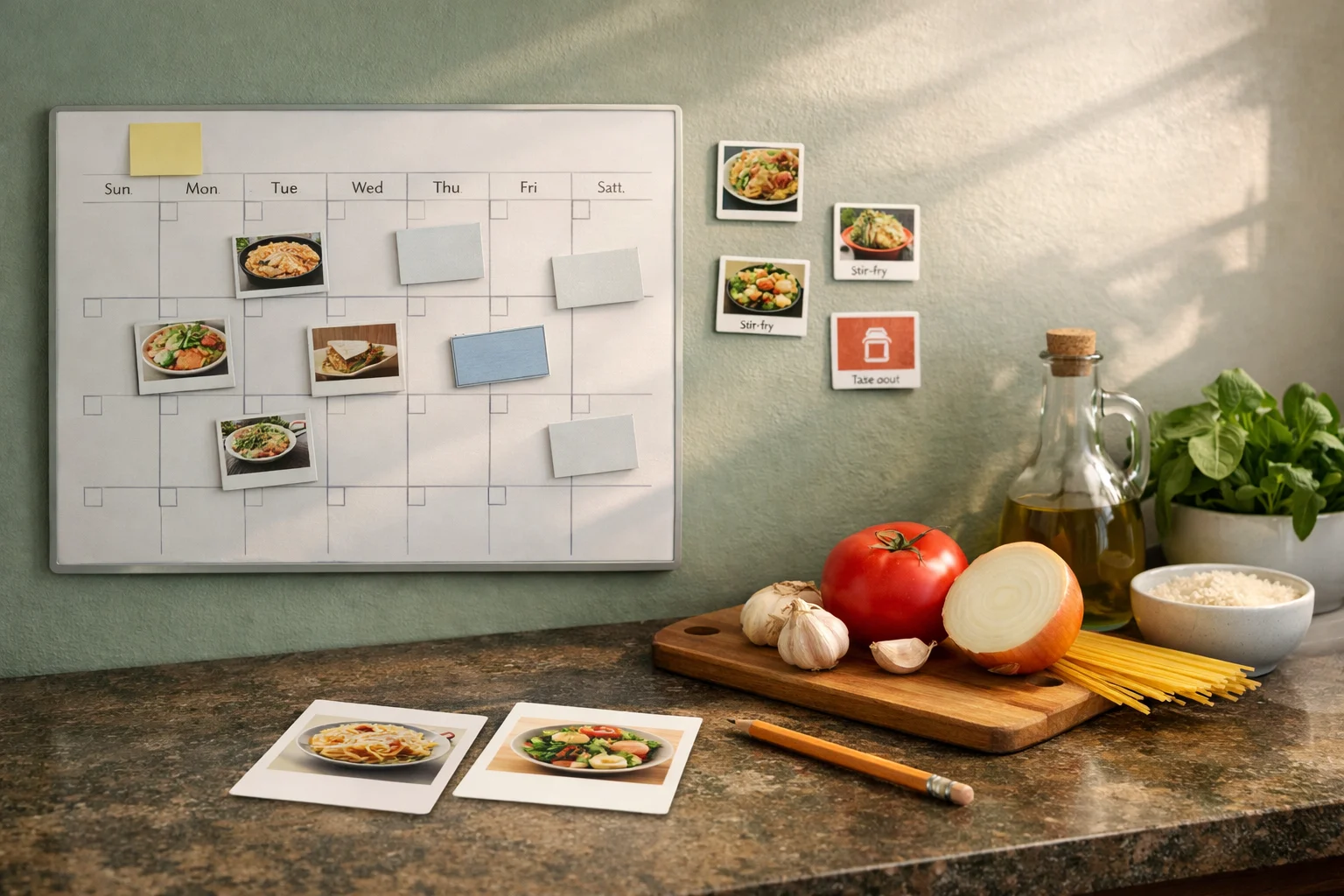
How to build a flexible dinner plan without locking every meal
A practical workflow for planning just enough: choose anchors, leave room for leftovers, and keep a short list of recipes ready for the days that shift.
Read next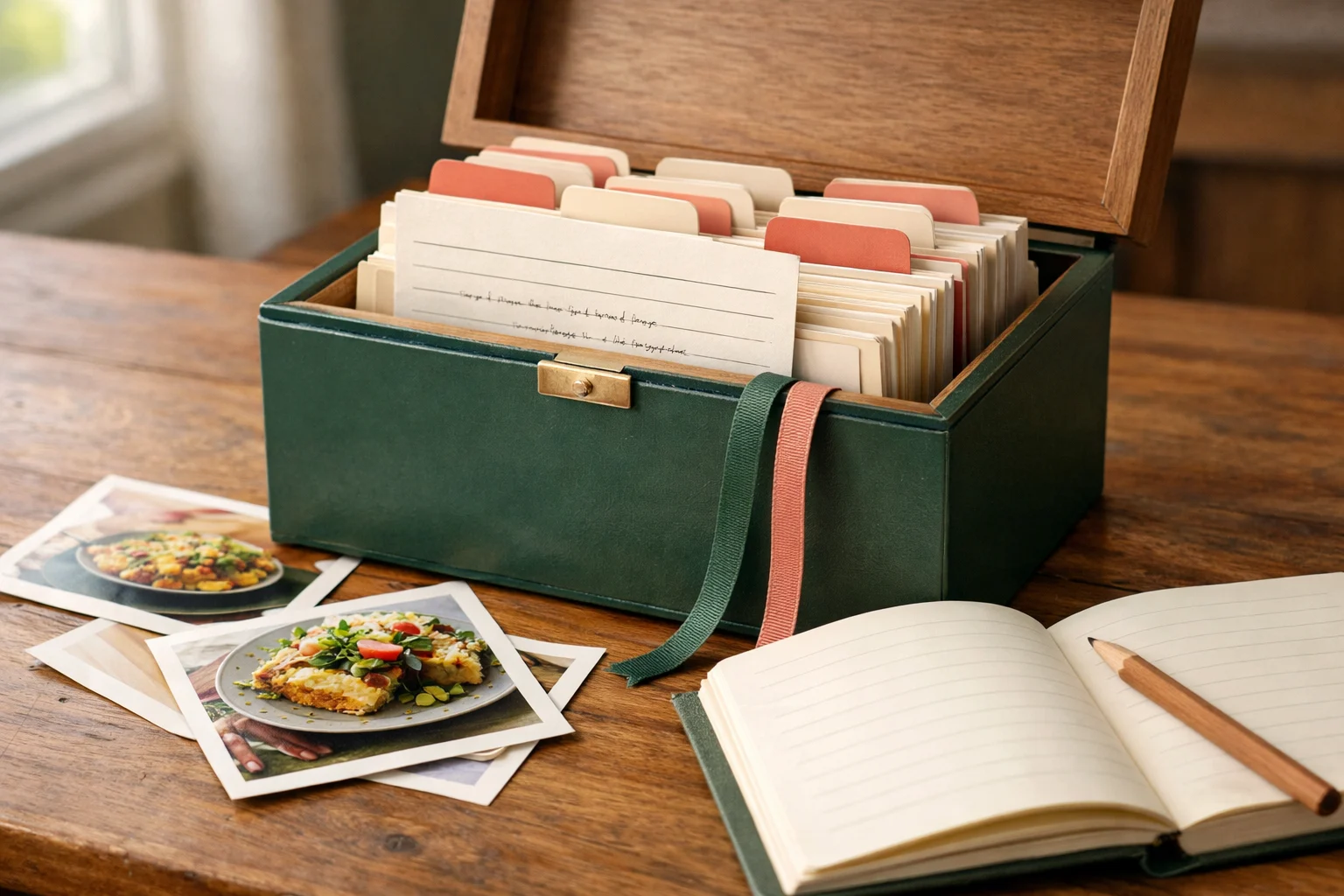
A better way to use saved recipes
Saved recipes should be more than a pile of bookmarks. Here is a simple pattern for turning saved recipes into a weekly shortlist you actually cook.
Read next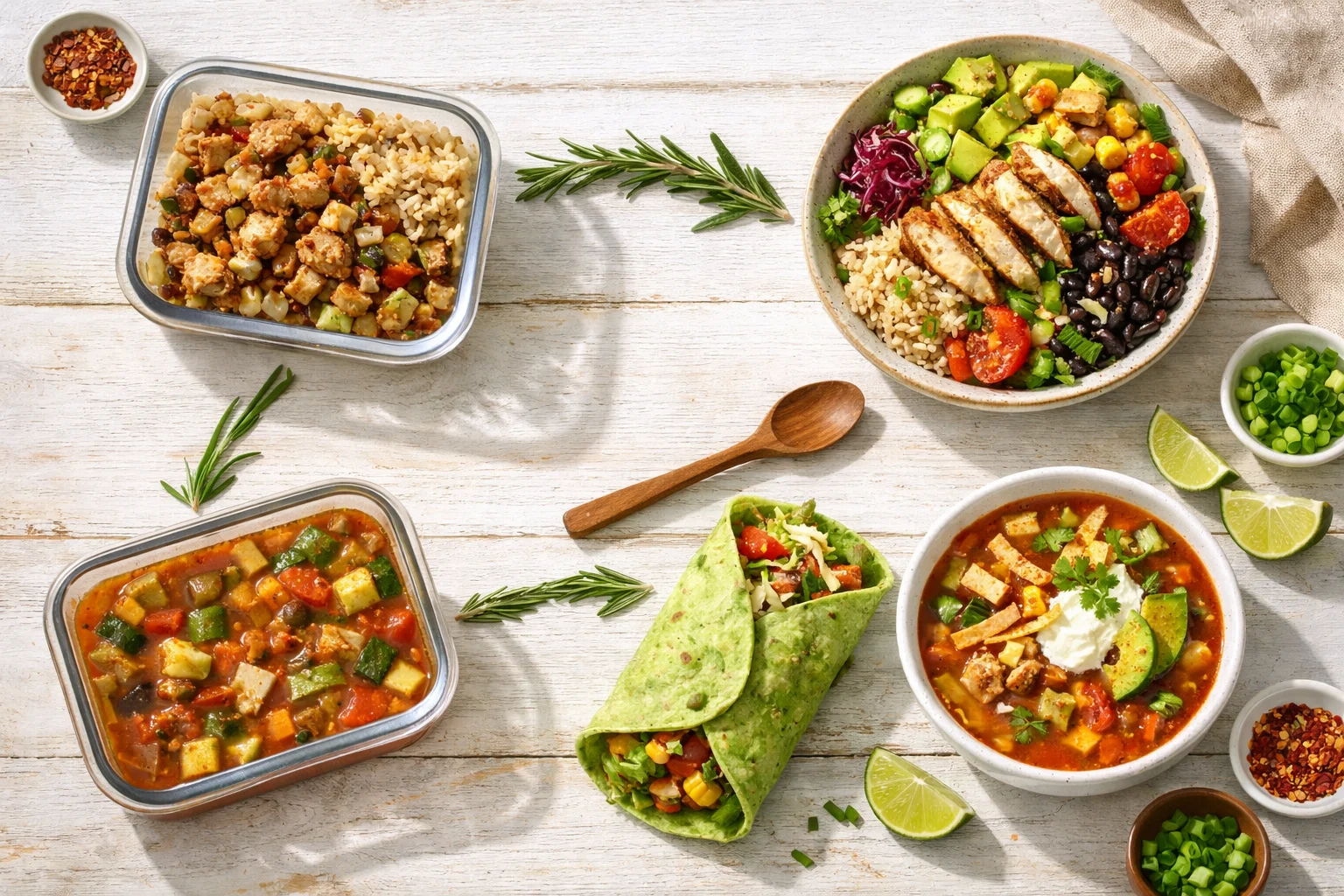
How to plan for leftovers without eating the same dinner twice
Leftovers work better when they are planned as ingredients, not repeats. Use cooked grains, roasted vegetables, and proteins as building blocks.
Read next