How to build a flexible dinner plan without locking every meal
A practical workflow for planning just enough: choose anchors, leave room for leftovers, and keep a short list of recipes ready for the days that shift.
By ByteRecipes Team
Key takeaways
- Plan around fixed commitments before choosing recipes.
- Choose anchor meals by effort level, not by craving alone.
- Let one or two flexible meals absorb schedule changes.
Start with the shape of the week
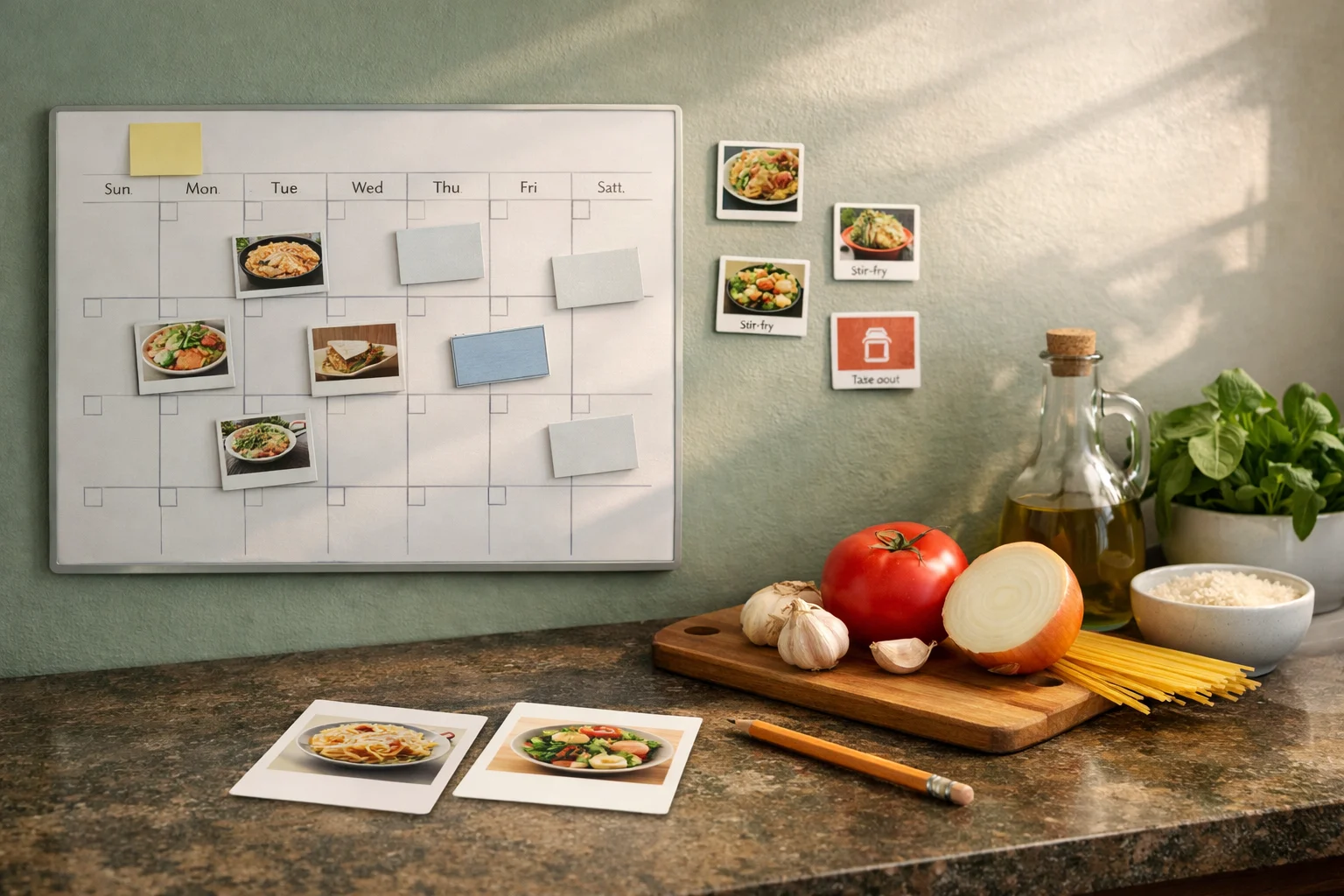
The most common planning mistake is choosing meals before looking at the calendar. A roast chicken may be a good recipe, but it is a poor Tuesday choice if Tuesday has a late meeting, practice pickup, and a nearly empty fridge.
A flexible dinner plan starts with capacity. Mark the nights that need fast meals, the nights that can handle prep, and the nights where dinner may come from leftovers. Then choose recipes that match the energy available.
Use anchors instead of filling every square
Three anchor meals are usually enough for a useful week. An anchor is a recipe you are likely to cook because it fits the schedule, uses ingredients you can buy confidently, and creates a clear grocery need. Once those are set, the remaining meals can be lighter decisions.
This approach keeps the plan from becoming brittle. You still know what to buy, but you are not pretending every night is already solved.
- One low-effort meal for the busiest night.
- One batch-friendly meal that creates lunch or leftovers.
- One fresh meal that makes the week feel less repetitive.
Build a backup lane
The backup lane is not a junk drawer. It is a short list of meals that can move into the plan quickly because the ingredients are flexible. Think eggs, tortillas, grains, frozen vegetables, canned beans, pasta, or a sauce you already have.
When a planned meal slips, promote one backup. When a backup gets used, replace it after the next grocery review. That loop keeps planning helpful without forcing a full reset.
The flexible-week template
- 1Check the calendar and label nights as fast, normal, or flexible.
- 2Choose three anchor meals that match those labels.
- 3Add two backups that share pantry ingredients.
- 4Shop for anchors first, then fill in only the backup ingredients you do not already have.
Helpful reminder
ByteRecipes articles are written for product education and everyday cooking workflows. They are not medical, nutrition, allergy, or food-safety advice.
Keep reading
Related articles
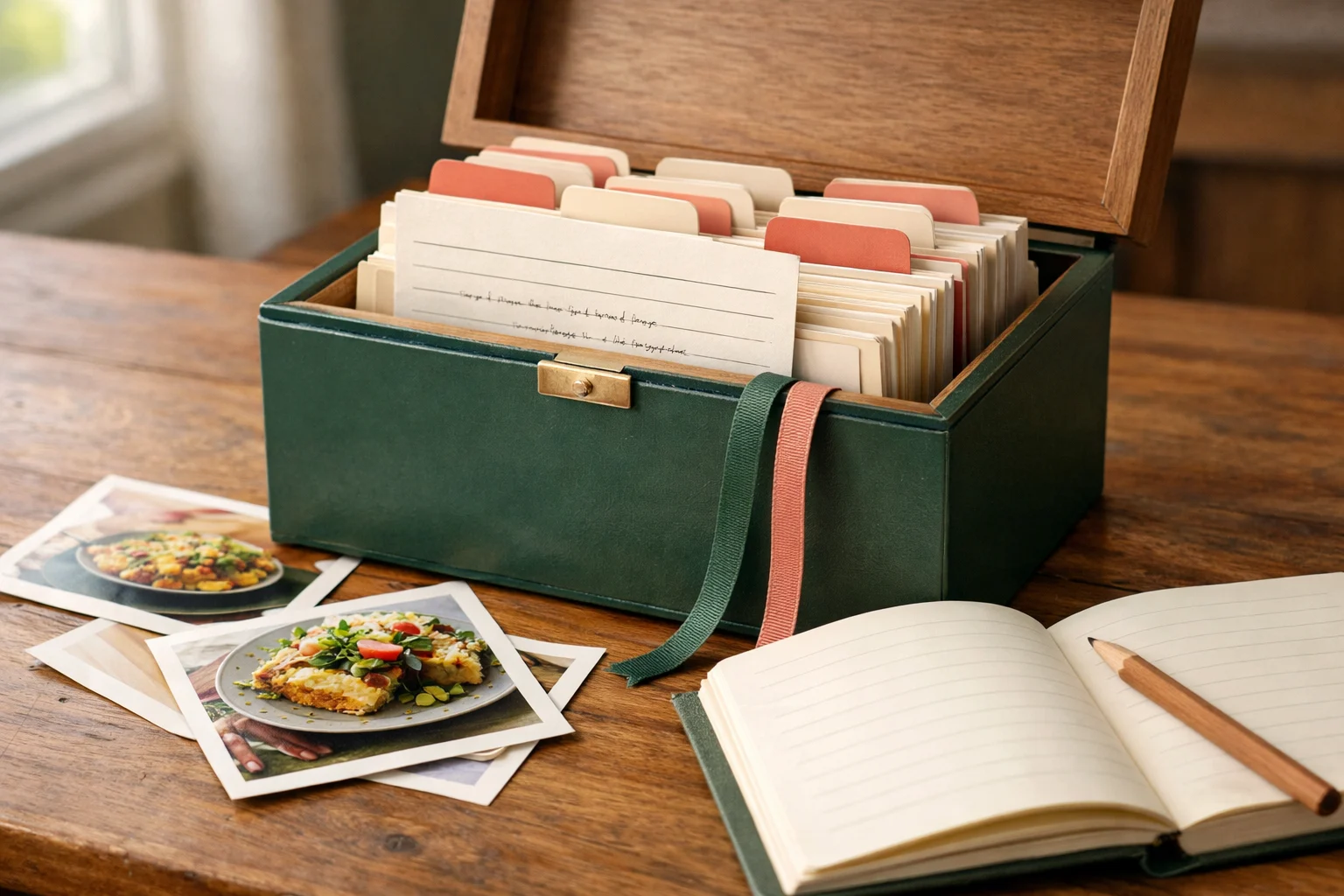
A better way to use saved recipes
Saved recipes should be more than a pile of bookmarks. Here is a simple pattern for turning saved recipes into a weekly shortlist you actually cook.
Read next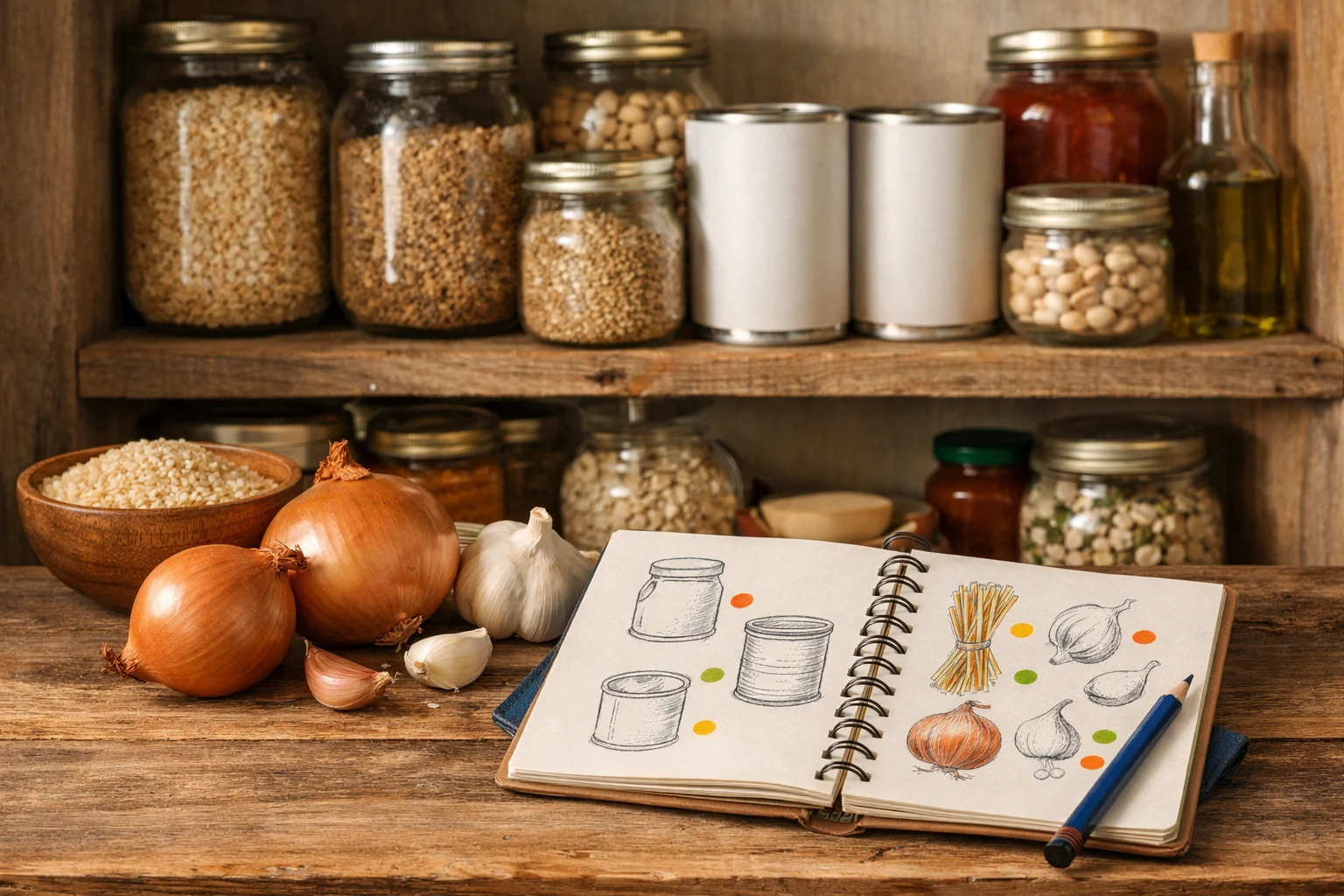
A pantry-first way to choose what to cook
Start from what is already in the kitchen, then choose recipes that use those ingredients before buying a completely new set of groceries.
Read next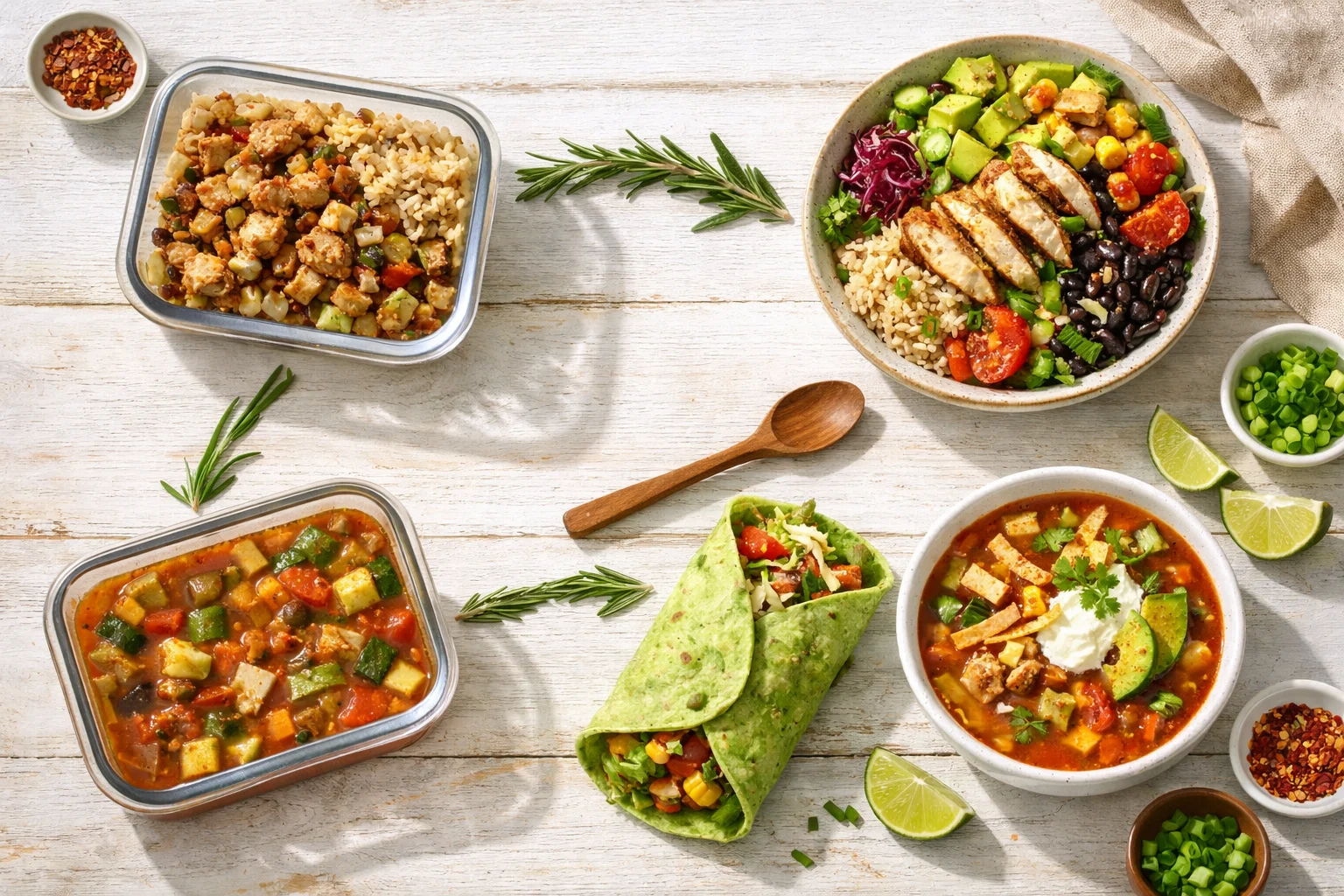
How to plan for leftovers without eating the same dinner twice
Leftovers work better when they are planned as ingredients, not repeats. Use cooked grains, roasted vegetables, and proteins as building blocks.
Read next