A better way to use saved recipes
Saved recipes should be more than a pile of bookmarks. Here is a simple pattern for turning saved recipes into a weekly shortlist you actually cook.
By ByteRecipes Team
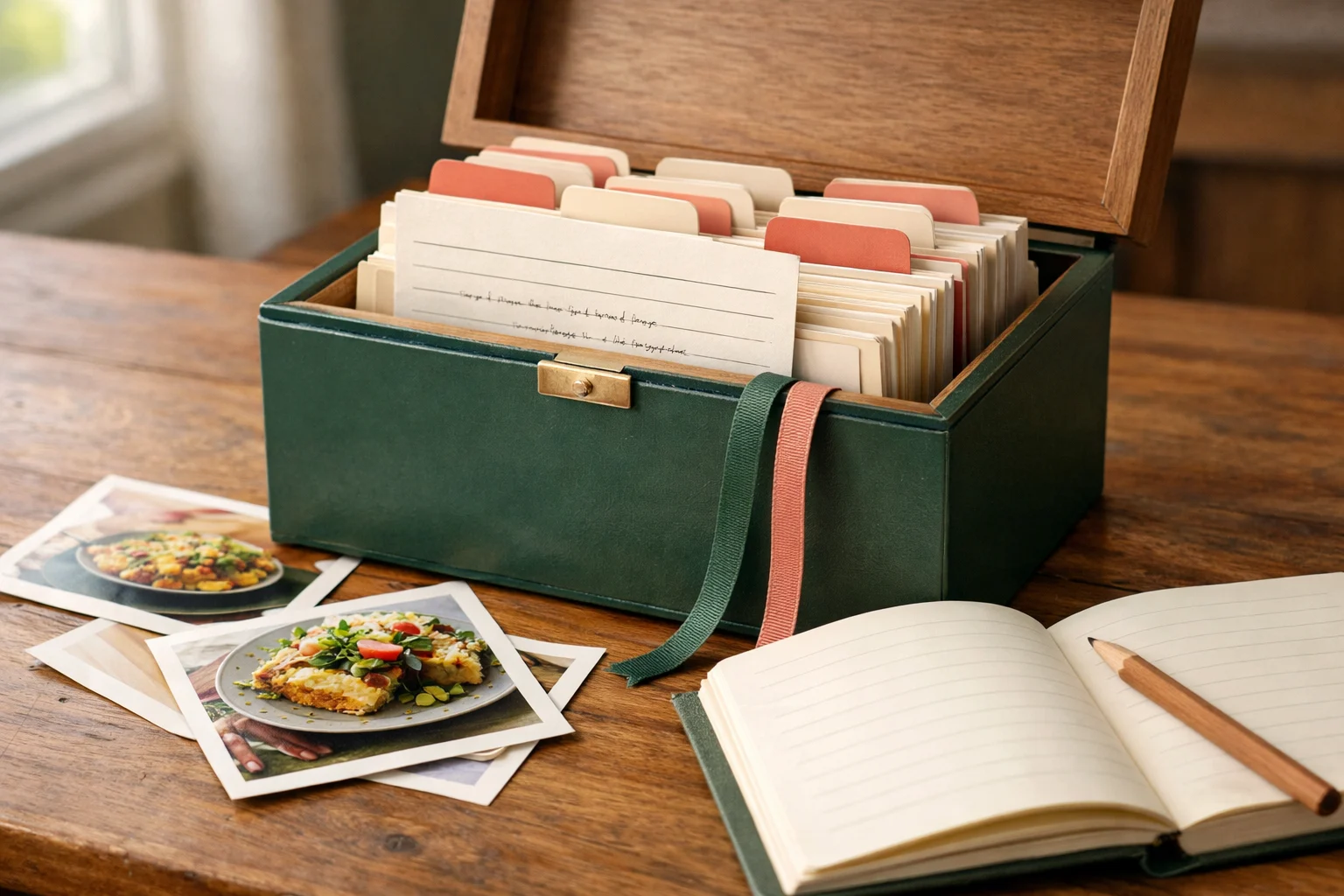
Key takeaways
- Save with intent: soon, someday, repeat, or adapt.
- Review saved recipes before shopping instead of during dinner panic.
- Promote only the strongest candidates into the planner.
A saved recipe is a promise to future you
Most recipe collections fail because saving is easy and retrieval is hard. A saved list can grow for months without helping dinner happen. The solution is not to save less. It is to give saved recipes a job.
When you save a recipe, ask why it belongs there. Is it for this week, a future gathering, a repeat dinner, or something you want to adapt privately? That small decision makes the list easier to use later.
Make a shortlist before grocery day
The best time to review saved recipes is before shopping, not when the stove should already be on. Scan your saved list and pull a few candidates into staged picks. Then compare them against the week ahead.
This turns the saved list into a source of prepared options instead of another place to search.
- Move recipes that fit this week into staged picks.
- Leave aspirational recipes saved, but out of the active plan.
- Remove recipes that no longer match how you cook.
Use saves to build habits
After cooking, keep the recipes that earned a repeat. A useful saved collection should show your actual cooking style over time: the weeknight meals that worked, the lunches worth repeating, and the recipes your household adapted successfully.
That is more valuable than a huge archive. The best saved list is the one that makes next week easier.
Saved recipe cleanup
- 1Open saved recipes before shopping.
- 2Choose two that fit the coming week.
- 3Move them into staged picks or a planned day.
- 4Archive or ignore recipes that no longer fit your time, diet, or budget.
Helpful reminder
ByteRecipes articles are written for product education and everyday cooking workflows. They are not medical, nutrition, allergy, or food-safety advice.
Keep reading
Related articles
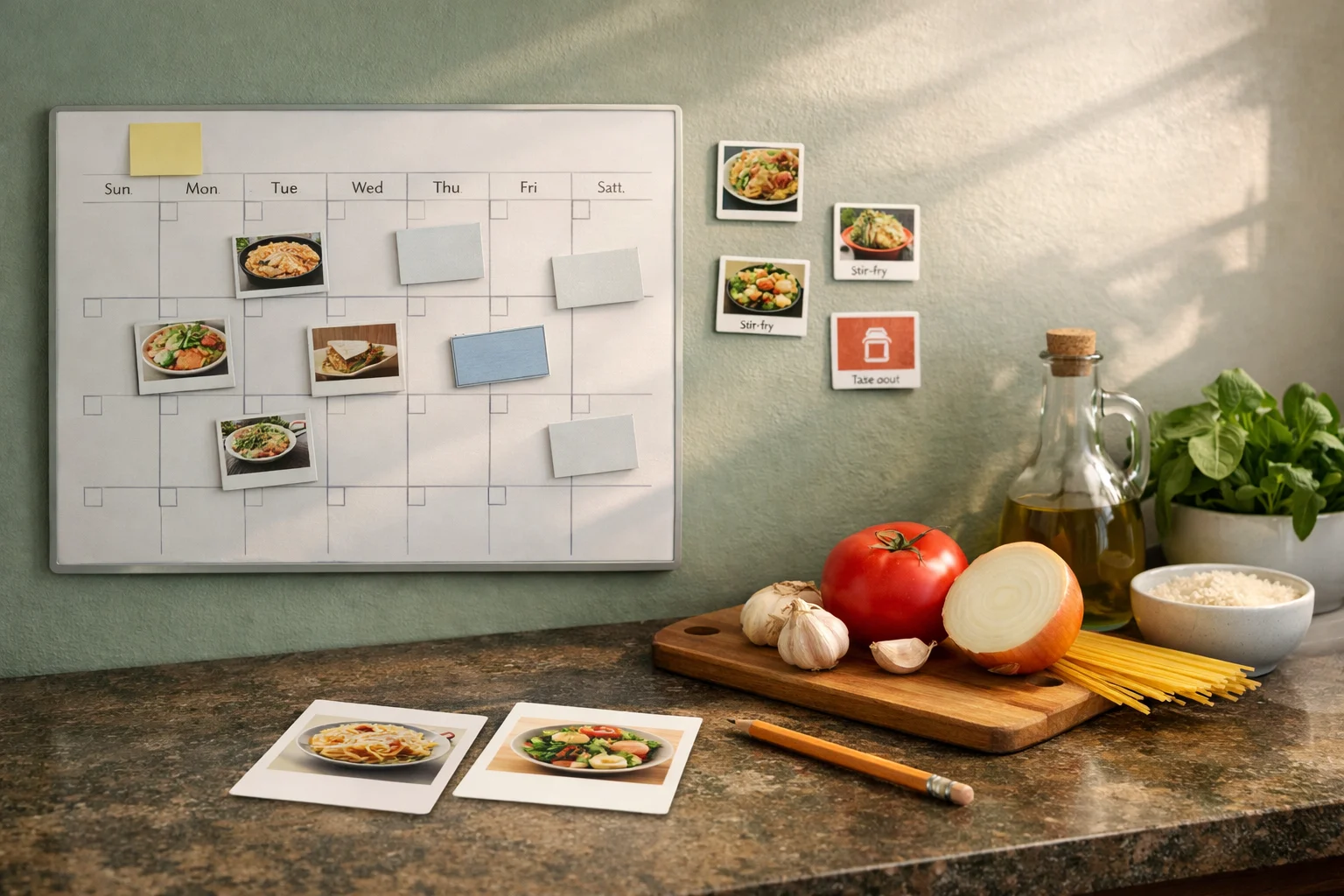
How to build a flexible dinner plan without locking every meal
A practical workflow for planning just enough: choose anchors, leave room for leftovers, and keep a short list of recipes ready for the days that shift.
Read next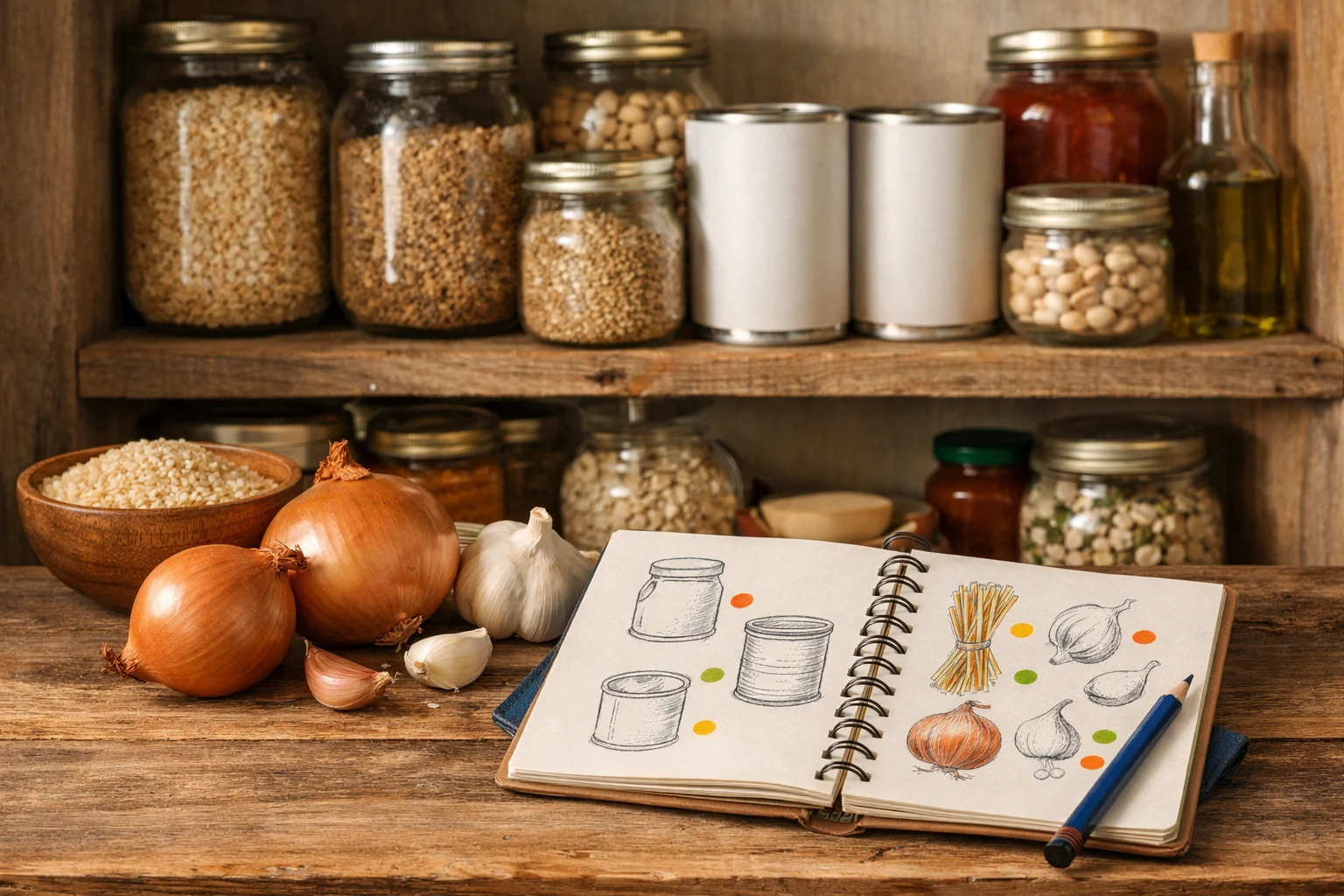
A pantry-first way to choose what to cook
Start from what is already in the kitchen, then choose recipes that use those ingredients before buying a completely new set of groceries.
Read next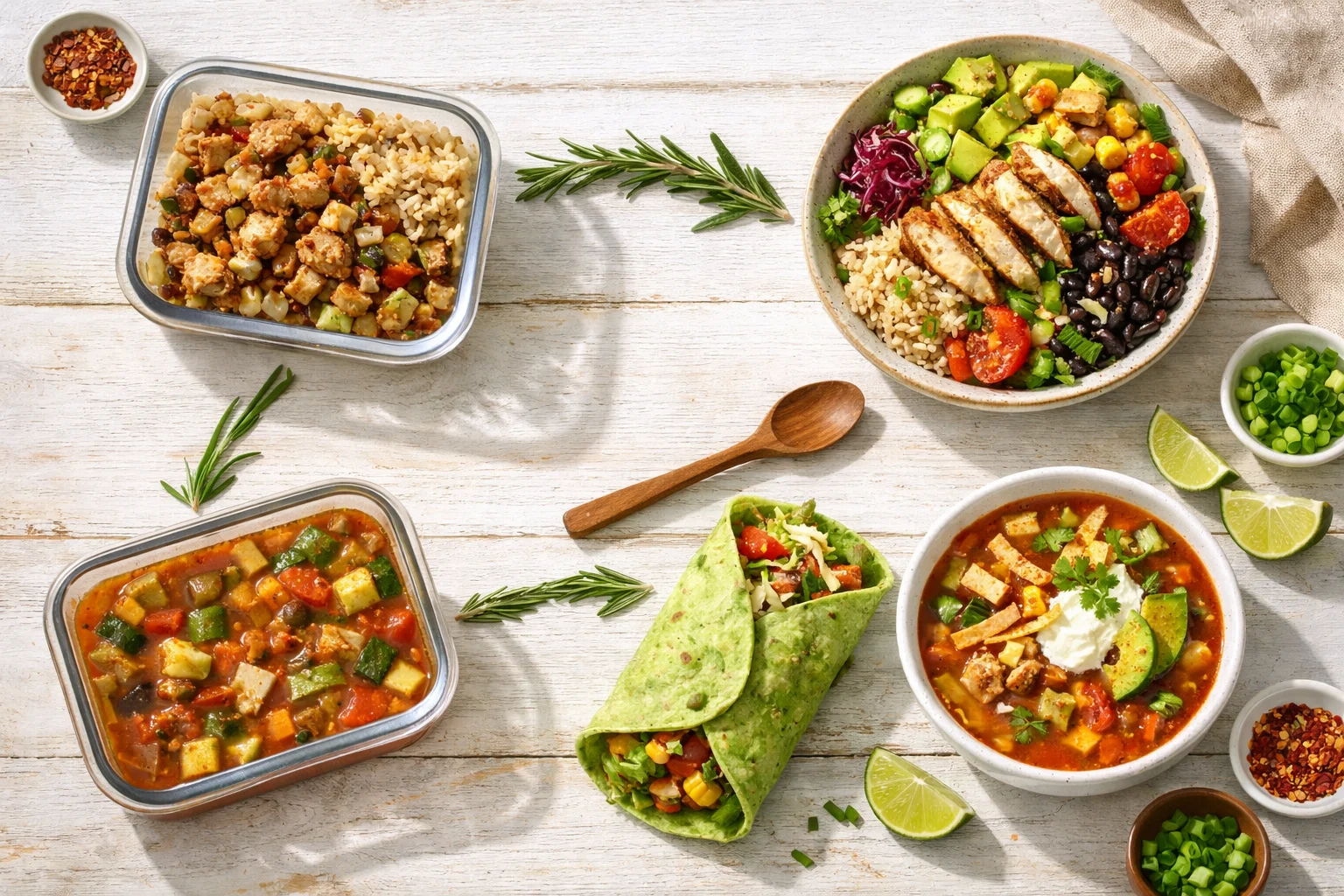
How to plan for leftovers without eating the same dinner twice
Leftovers work better when they are planned as ingredients, not repeats. Use cooked grains, roasted vegetables, and proteins as building blocks.
Read next