Behind the scenes: making browse feel useful before search
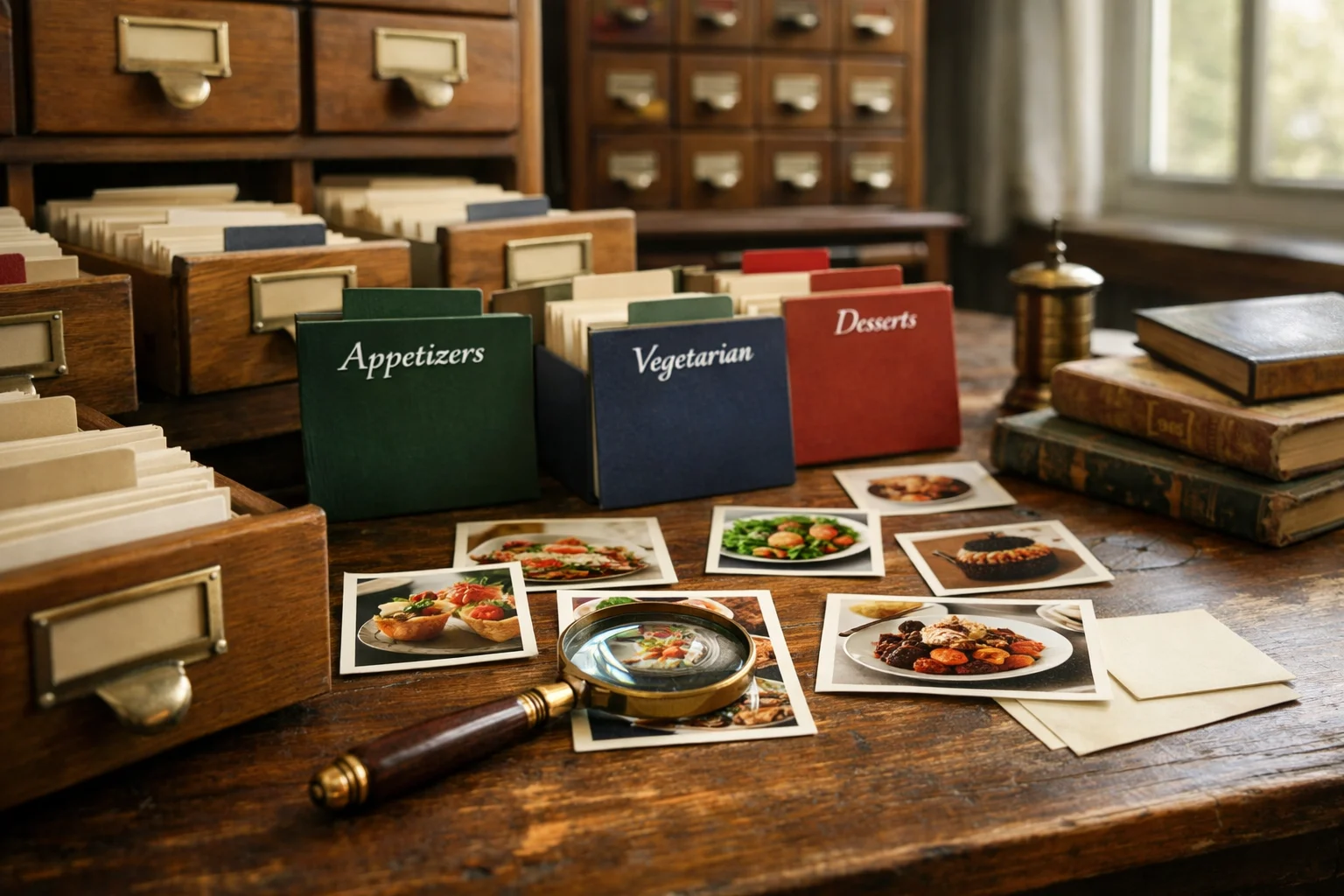
Search is important, but the browse page should also help when you do not know what you want yet. This note covers the thinking behind curated entry points.
By ByteRecipes Team
Key takeaways
- Browse is for people who know their constraints but not the exact dish.
- Curated entry points should use practical language.
- Popular, recent, and category sections serve different moods.
Search is not always the first step
Many cooking sessions start with a vague need: something easy, something lighter, something that uses chicken, something good for meal prep. A search box can help, but it asks the user to translate that need into terms.
Browse should carry some of that work. It should give people entry points that match real decision patterns.
Curated sections need practical names
A category is only useful if people understand when to use it. Labels like quick dinners, pantry-friendly, vegetarian, or family-style work because they describe the cooking situation.
The page should not feel like a taxonomy exercise. It should feel like a set of helpful doors.
- Recent recipes help returning users find what changed.
- Popular recipes help when users want social proof.
- Category rails help when users know the meal shape.
Browse and search should support each other
A good browse session often ends in search. A user sees a salmon idea, then searches for a faster salmon recipe. Or they browse lunch options and then filter by vegetarian.
The product should make that transition feel natural instead of treating browse and search as separate modes.
When to browse first
- 1You know the meal type but not the dish.
- 2You want ideas that match a mood or constraint.
- 3You are planning a week and need a shortlist.
- 4You want to compare images and titles quickly before filtering.
Helpful reminder
ByteRecipes articles are written for product education and everyday cooking workflows. They are not medical, nutrition, allergy, or food-safety advice.
Keep reading
Related articles
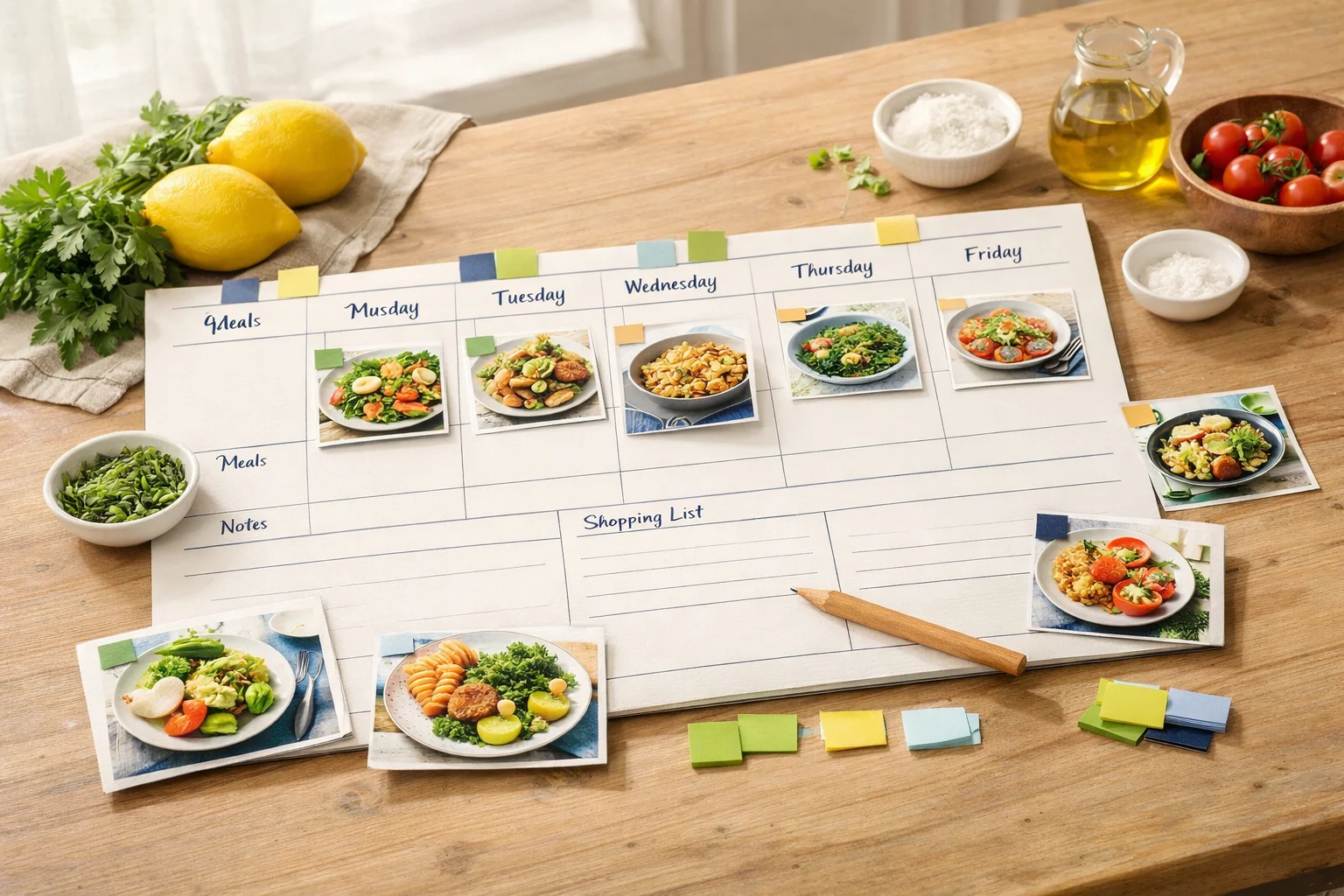
Spring planning updates: staged picks, cleaner moves, and calmer weeks
A closer look at the planner changes that make it easier to keep recipe ideas nearby, move meals between days, and recover gracefully when plans change.
Read next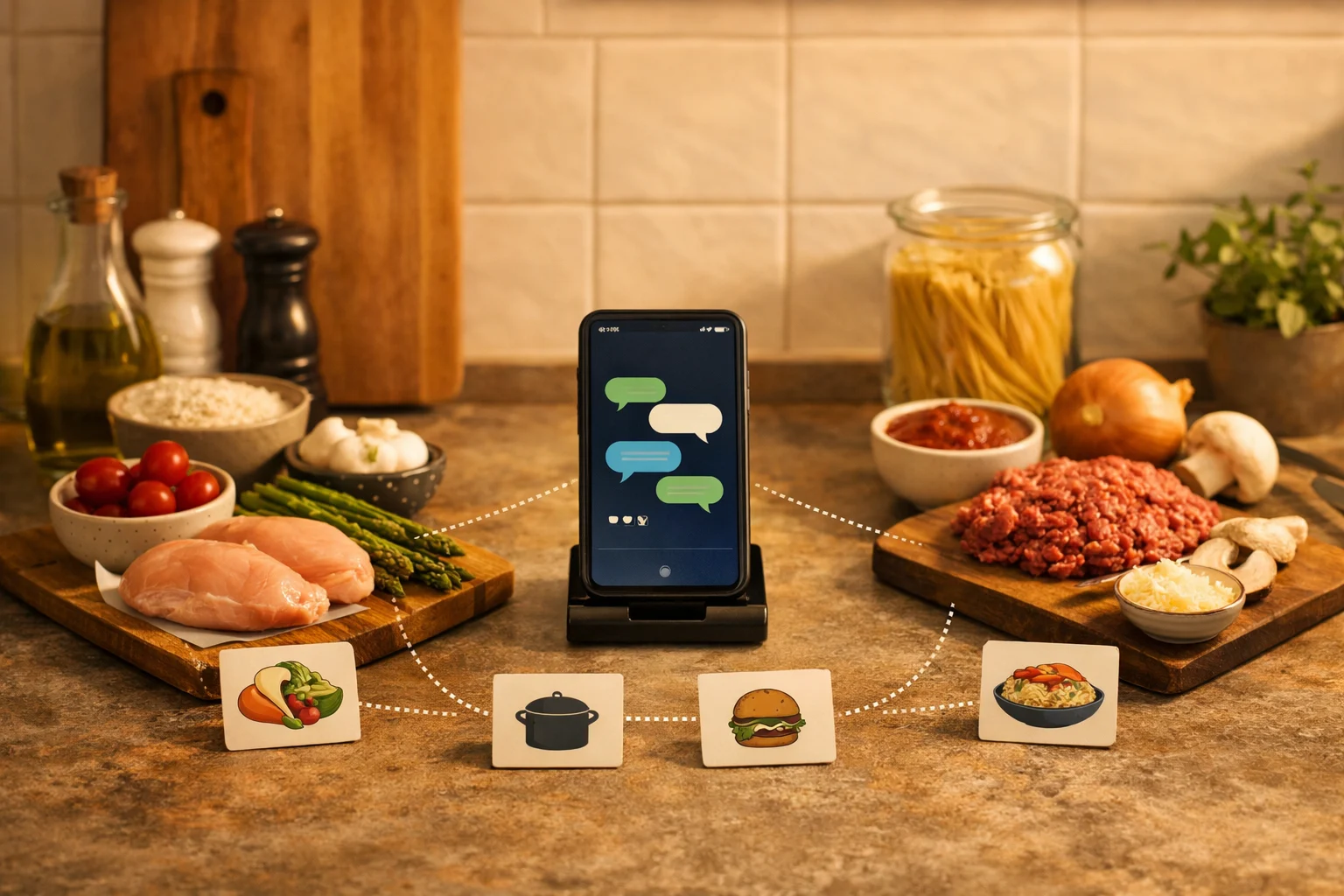
What Miso should help with before dinner starts
Miso works best when it helps with the decisions around cooking: narrowing choices, adapting plans, and translating preferences into usable next steps.
Read next
Designing for recipe quality, not recipe volume
More recipes are only useful when they are reliable. This note explains why ByteRecipes emphasizes clearer images, timing sanity, and moderation tools.
Read next